5 / Building a VR system5.1 Motion capture

5

Building a VR system

Motion capture and sensory output

Étienne Peillard
IMT Atlantique

5 / Building a VR system5.1 Motion capture

Course outline

Motion capture

5.1

Sensory output

5.2

5 / Building a VR systemPart 1 of 2

5.1

Motion capture

5 / Building a VR system5.1 Motion capture

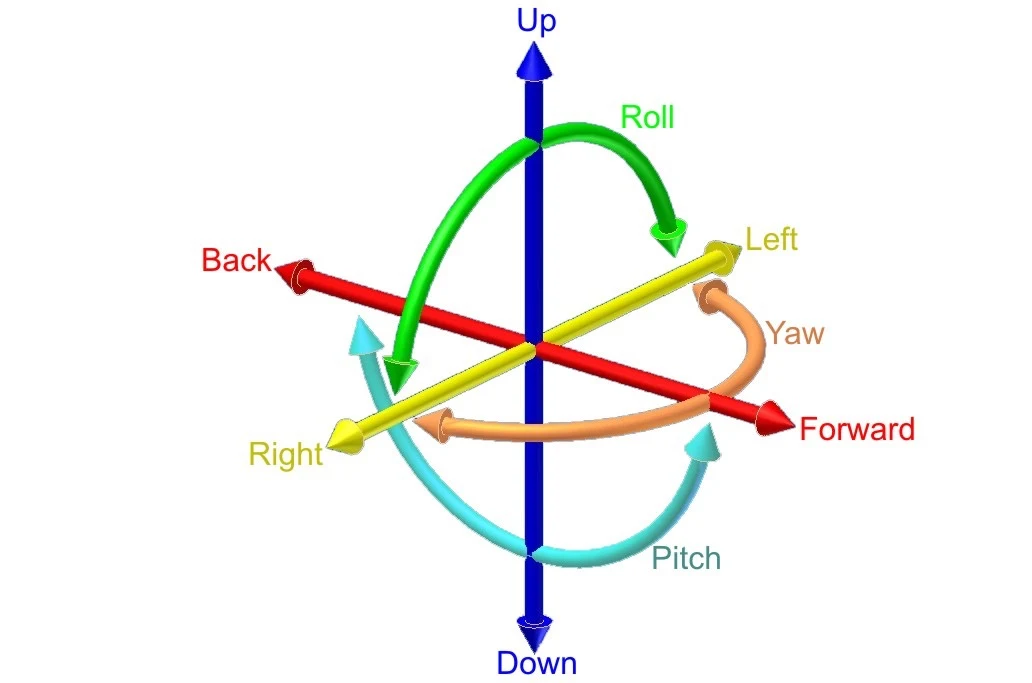
Six degrees of freedom

Translation

Left/right, up/down, forward/back

Rotation

Yaw, pitch and roll

Position and orientation axes
5 / Building a VR system5.1 Motion capture

Mechanical tracking

Telepresence Mobile Robot (1991)

SPIDAR-8

5 / Building a VR system5.1 Motion capture

Electromagnetic tracking

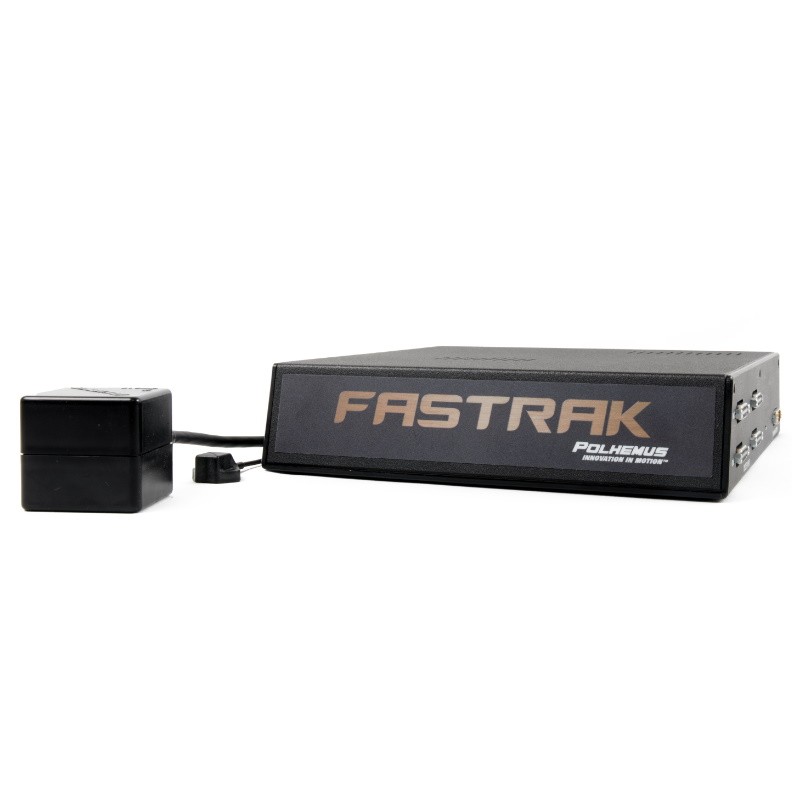
Polhemus FASTRAK system with transmitter and wired sensor
Polhemus FASTRAK
5 / Building a VR system5.1 Motion capture

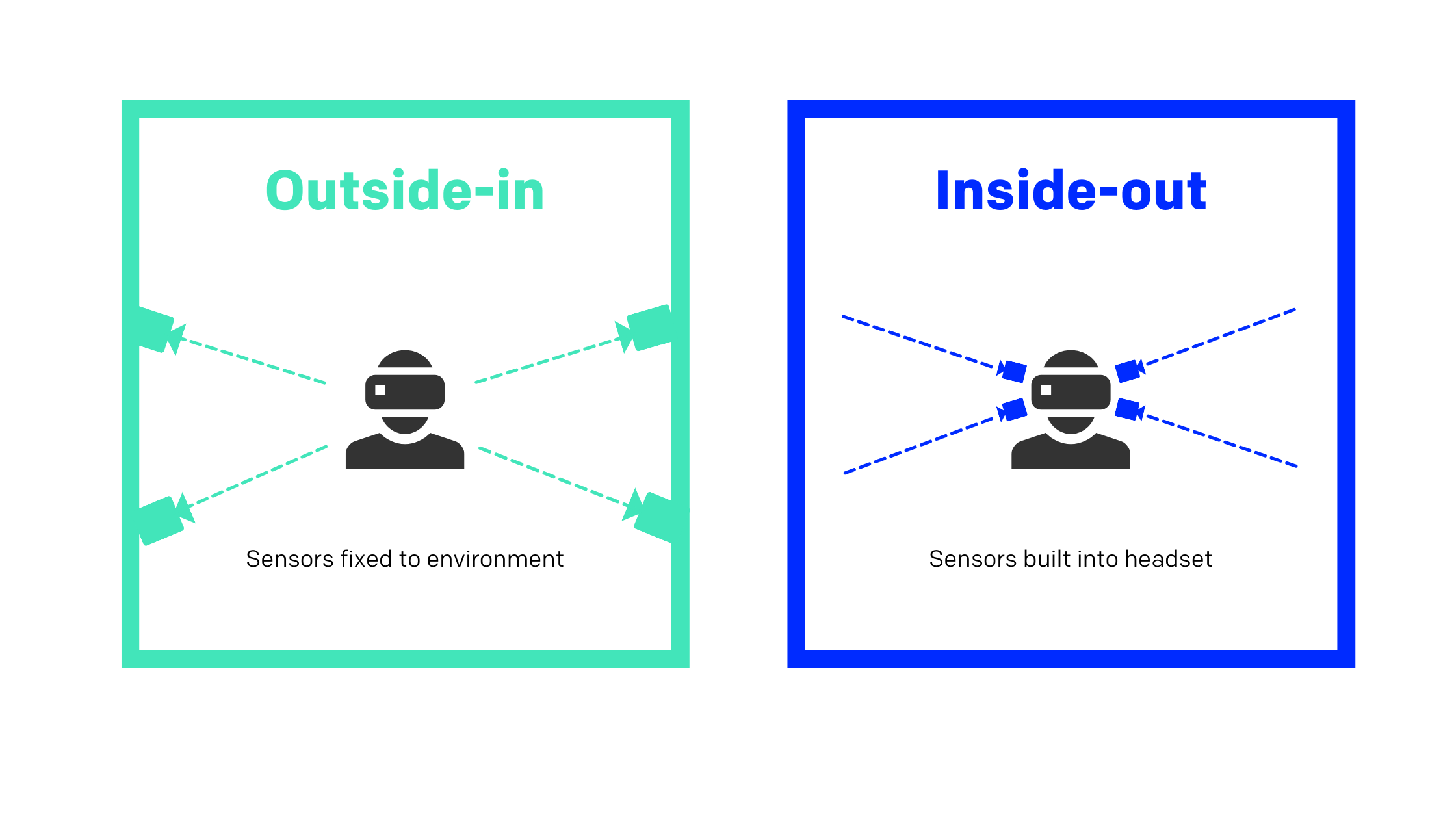
Inside-out and outside-in: principle

Two comparative diagrams: left, cameras fixed in the room observe the headset; right, headset-mounted cameras observe the environment.
Outside-in: external cameras. Inside-out: onboard cameras.
5 / Building a VR system5.1 Motion capture

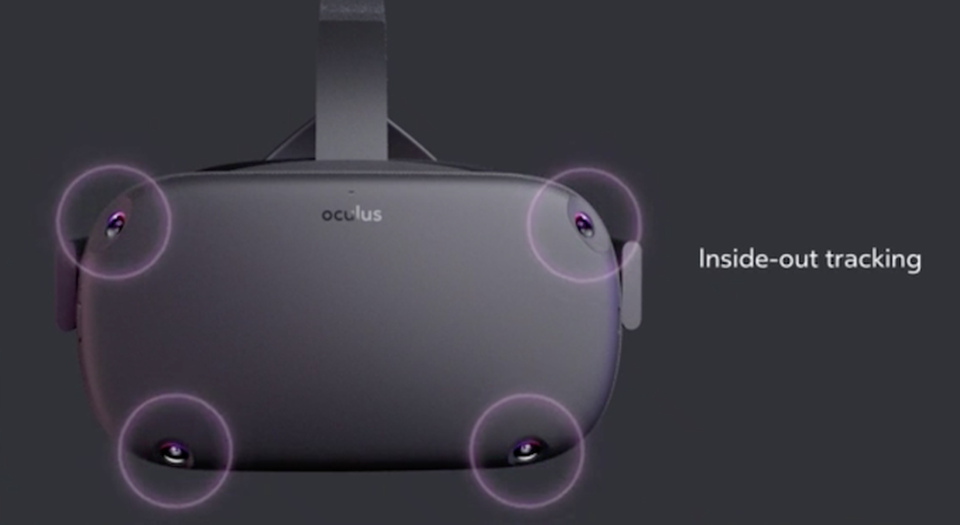
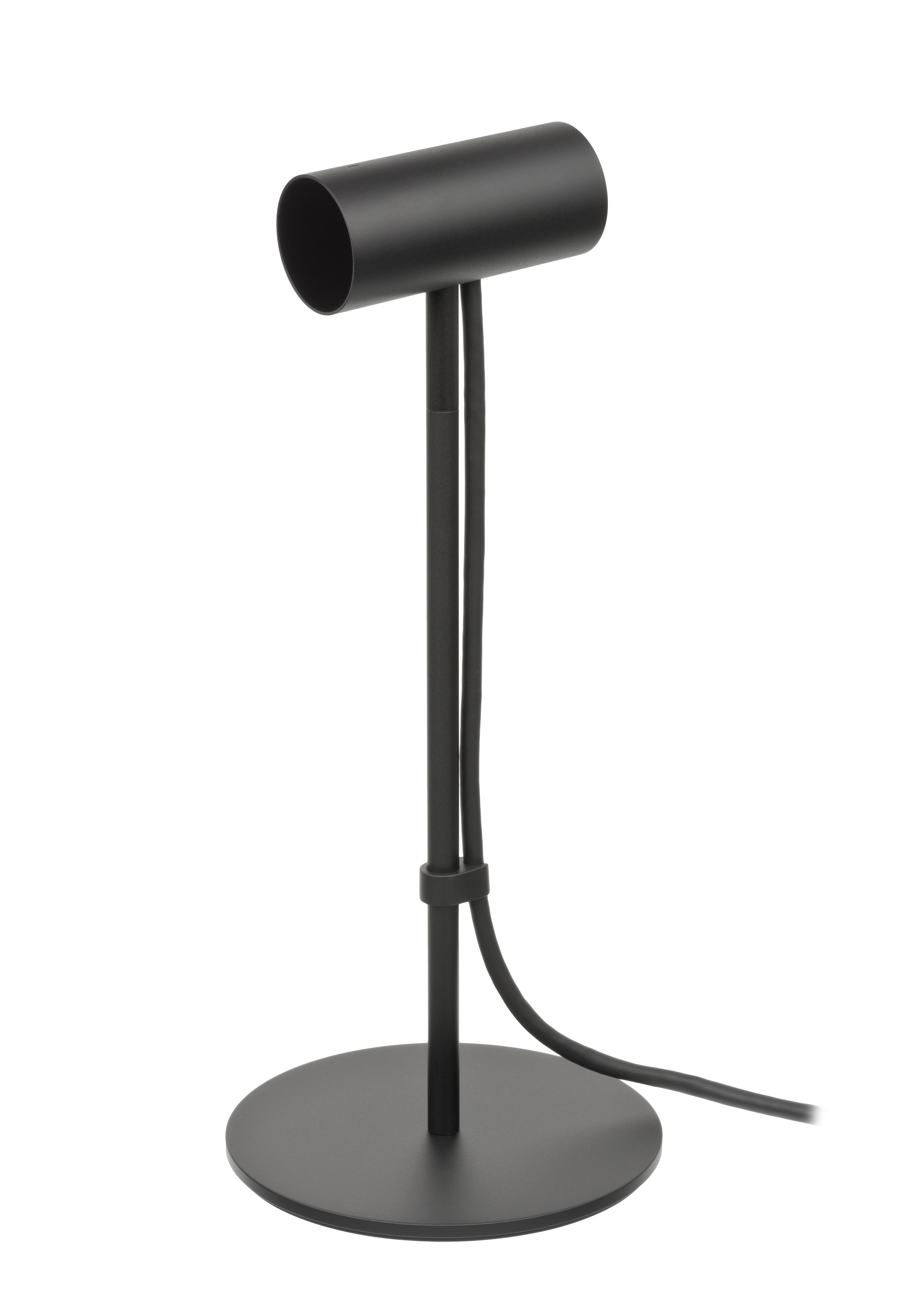
Inside-out and outside-in tracking

ArrangementObservationTypical limitation
Inside-outSensors carried by the tracked deviceNeeds usable environmental observations
Outside-inExternal sensors observe tracked objectsNeeds coverage and line of sight
The Quest’s four onboard cameras, circled in purple
Inside-out: cameras on the headset (Quest)
External Rift CV1 tracking camera on its stand
Outside-in: camera in the room (Rift CV1)
5 / Building a VR system5.1 Motion capture

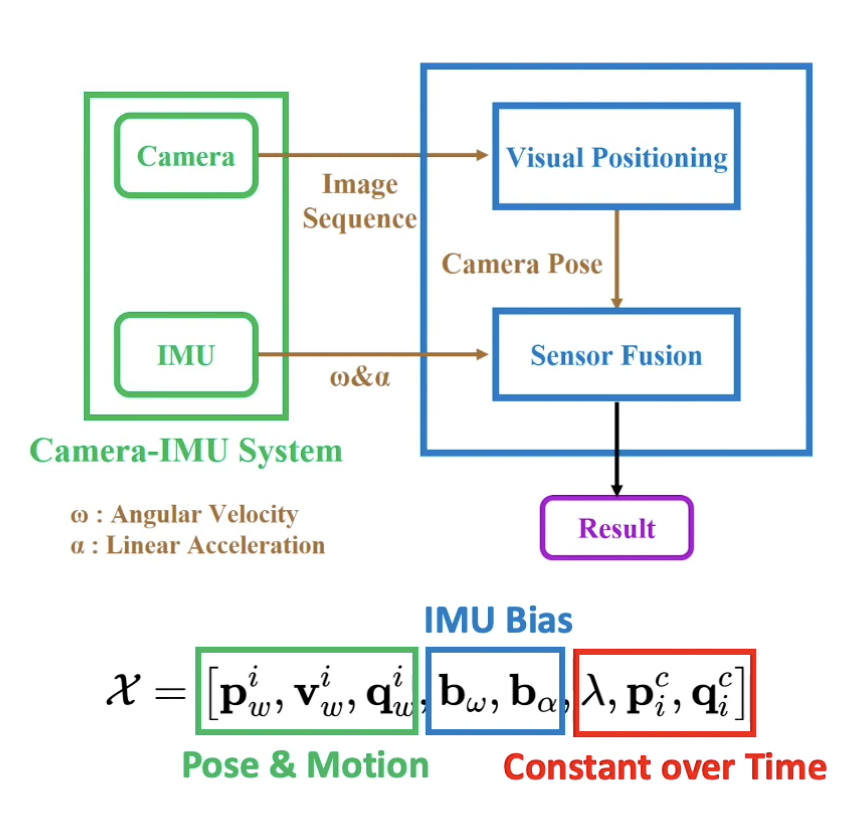
Sensor fusion

Fast local changes

Inertial measurements

External reference

Optical or other observations

Combined estimate

Pose with reduced drift

Camera images and inertial measurements converge in a sensor fusion module that estimates pose.
Camera–IMU fusion example
5 / Building a VR system5.1 Motion capture

Sensor fusion: OKVIS

5 / Building a VR system5.1 Motion capture

Tracking quality

Accuracy

Closeness to the reference pose

Jitter

Rapid variation around an estimate

Drift

Accumulating displacement over time

Loss and recovery

Behaviour when observations disappear

5 / Building a VR system5.1 Motion capture

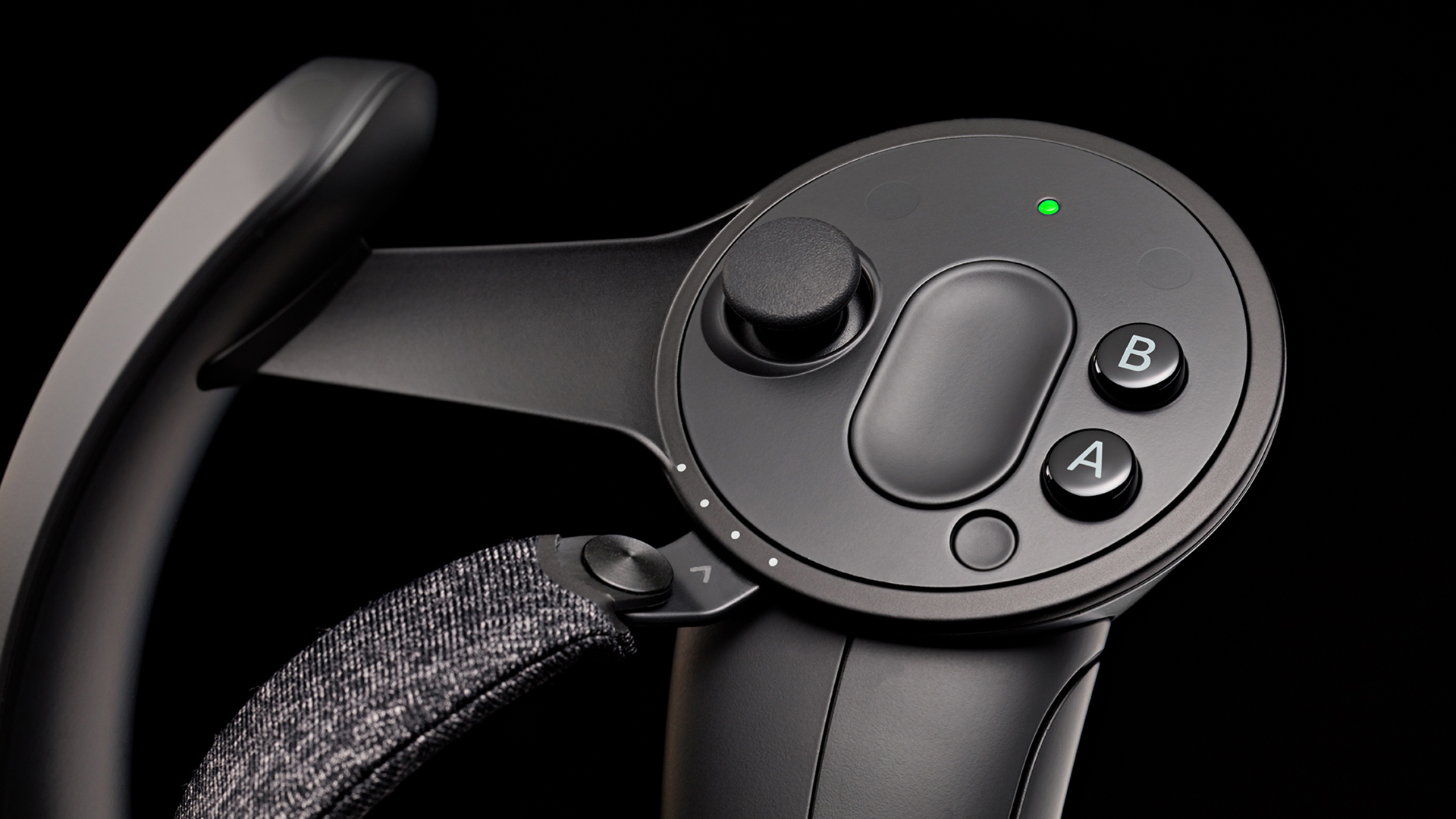
Controllers

Half-Life: Alyx

Close-up of a Valve Index controller with buttons and grip
Valve Index
5 / Building a VR system5.1 Motion capture

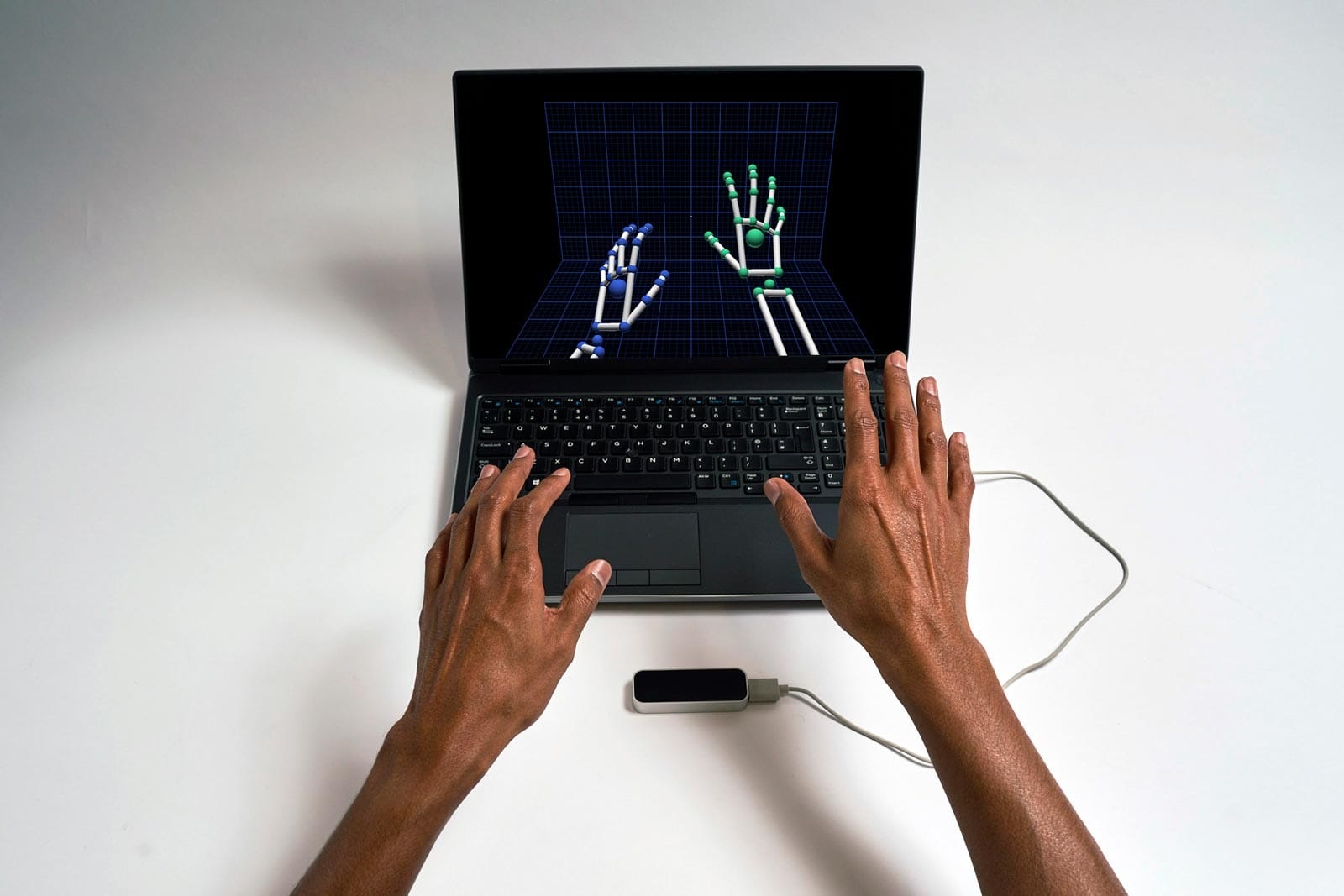
Hand tracking

Silhouette · Ultraleap

Leap Motion sensor and hand joint visualisation on a screen
Leap Motion
5 / Building a VR system5.1 Motion capture

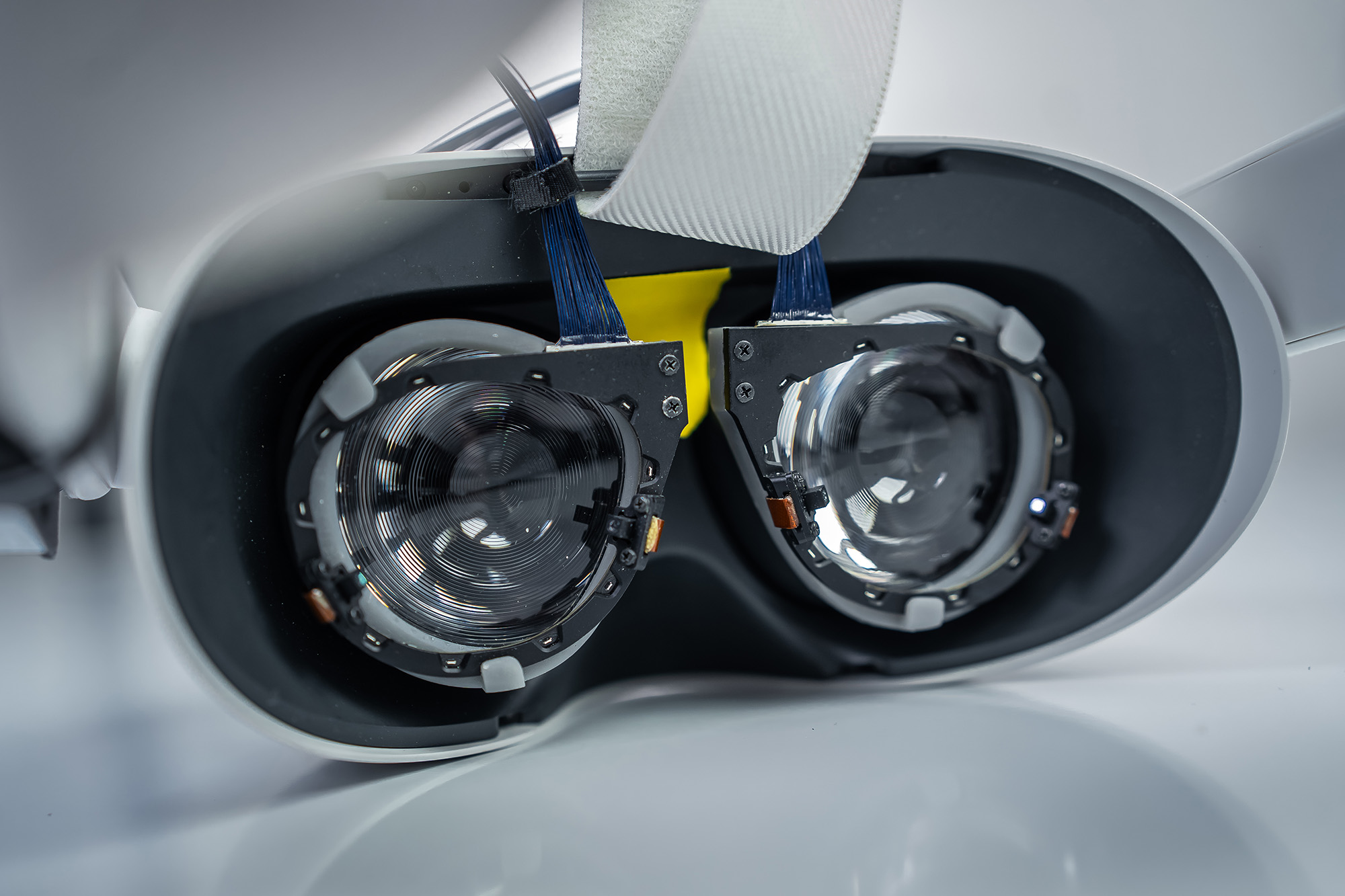
Eye tracking

Tobii VR Integration Demo

Eye-tracking sensors integrated around the lenses of a VR headset
Tobii
5 / Building a VR system5.1 Motion capture

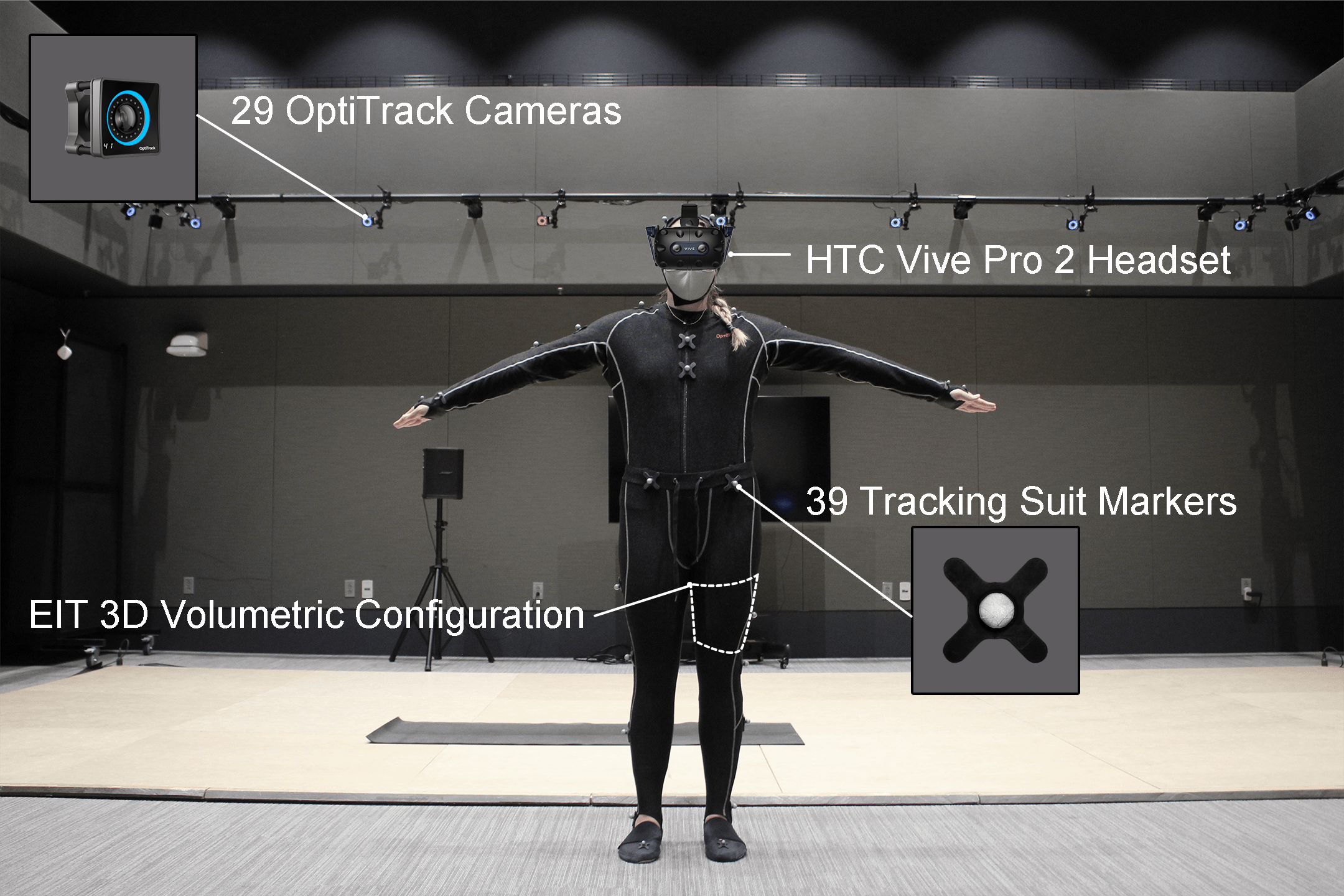
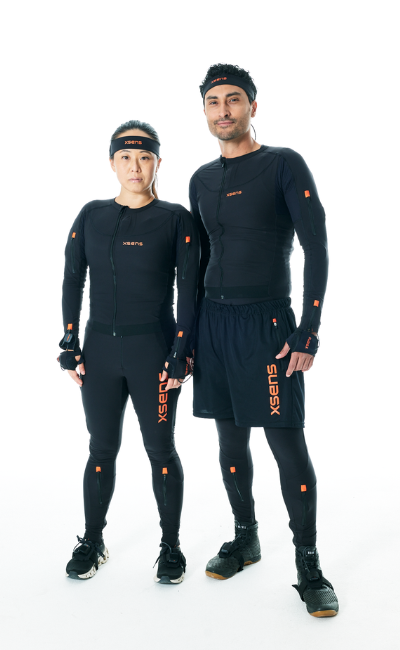
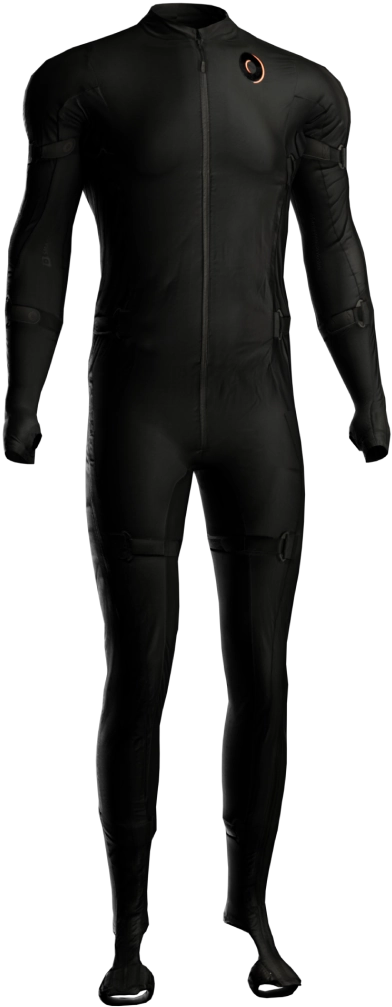
Body tracking

Rokoko · Smartsuit Pro II

Rokoko Smartsuit Pro II full-body motion capture suit
Smartsuit Pro II
5 / Building a VR systemPart 2 of 2

5.2

Sensory output

5 / Building a VR system5.2 Sensory output · Vision

Visual stimulation

Present a scene, its depth and changes in viewpoint

5 / Building a VR system5.2 Sensory output · Vision

Families of visual displays

Head-mounted displays

An image displayed in front of the eyes

Projection and screens

A physical surface shared by or surrounding users

Augmented reality

The physical world remains visible with added content

5 / Building a VR system5.2 Sensory output · Vision

Head-mounted display: FlyVIZ

5 / Building a VR system5.2 Sensory output · Vision

Immersive projection: a CAVE

Left eyeRight eyeVirtual objectDisplay planeDisparity
5 / Building a VR system5.2 Sensory output · Vision

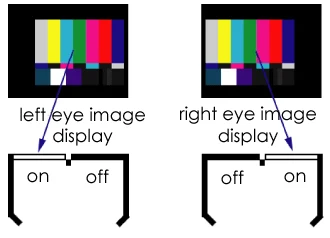
Active stereo: shutter glasses

Active shutter glasses
Alternating left and right views, synchronised with the glasses
5 / Building a VR system5.2 Sensory output · Vision

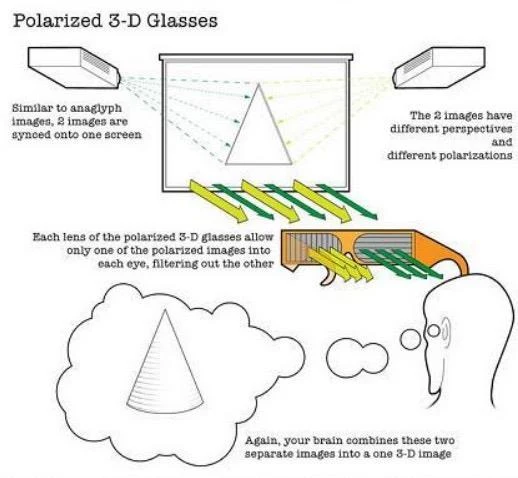
Passive stereo: polarisation

Polarisation-based separation
Two polarisations, one view for each eye
5 / Building a VR system5.2 Sensory output · Vision

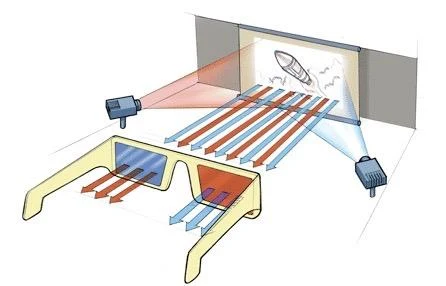
Anaglyph stereo

Anaglyph separation
Views separated by colour filters
5 / Building a VR system5.2 Sensory output · Vision

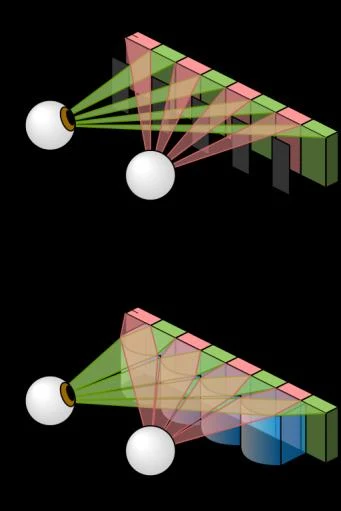
Autostereoscopic displays

An autostereoscopic example
Views directed to each eye, without glasses
5 / Building a VR system5.2 Sensory output · Vision

Multi-user projection: C1x6

5 / Building a VR system5.2 Sensory output · Vision

Augmented reality techniques

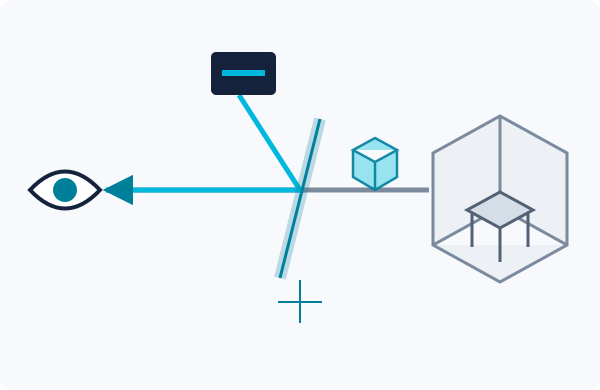
Optical see-through

Direct optical view

Real light reaches the eye through a transparent combiner; a projector adds virtual imagery to the optical path.

Real light + optically added virtual content

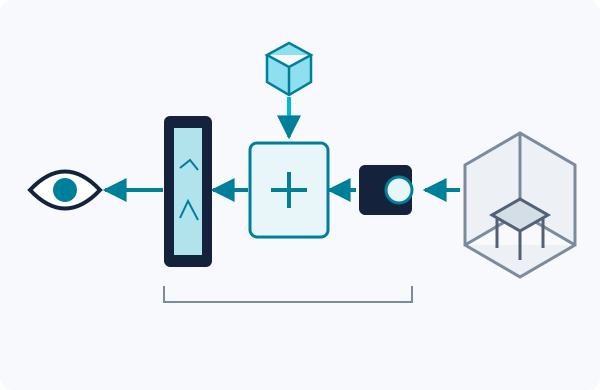
Video see-through

Camera-mediated view

Cameras capture the real scene. A processing stage combines it with virtual graphics before showing the result on an opaque display.

Camera → composition → display → eye

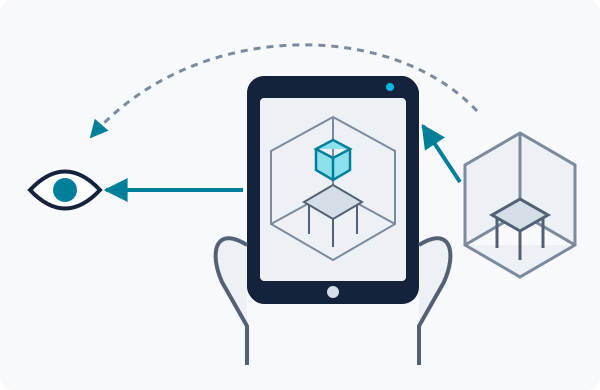
Handheld display

Phone or tablet

Hands hold a tablet whose camera captures the real setting; its screen shows the setting with a virtual object added, while the surroundings remain visible around the device.

The screen is a window onto the augmented scene

5 / Building a VR system5.2 Sensory output · Vision

Augmented reality: examples

Optical see-through: HoloLens

Handheld display: ARKit

5 / Building a VR system5.2 Sensory output · Hearing

Auditory stimulation

Make events audible and let the listener locate sound sources

5 / Building a VR system5.2 Sensory output · Hearing

Families of audio output

Headphones

Binaural rendering for the two ears

Loudspeakers

Physical sources and spatial reproduction arrays

5 / Building a VR system5.2 Sensory output · Hearing

3-D audio demonstration

Use headphones · enable sound

5 / Building a VR system5.2 Sensory output · Touch and forces

Haptic stimulation

Create sensations of contact, vibration and object resistance

5 / Building a VR system5.2 Sensory output · Touch and forces

Families of haptic output

Cutaneous feedback

Vibration, pressure and stimulation of the skin

Kinesthetic feedback

Forces and resistance applied to movement

5 / Building a VR system5.2 Sensory output · Touch and forces

Cutaneous feedback with contact

Vibrating controller: Joy-Con

Vibrating vest: bHaptics

5 / Building a VR system5.2 Sensory output · Touch and forces

Contactless cutaneous feedback

Air vortices: AIREAL

Ultrasound: Touchable Holography

5 / Building a VR system5.2 Sensory output · Touch and forces

Force-feedback arms

Stylus: PHANTOM Premium 1.5

Arm: Haption Virtuose 6D

5 / Building a VR system5.2 Sensory output · Touch and forces

Force feedback: examples

Cables: SPIDAR-8

Gloves: SenseGlove Nova 2

5 / Building a VR system5.2 Sensory output · Touch and forces

Force assistance driven by muscle activity

5 / Building a VR system5.2 Sensory output · Posture and movement

Proprioceptive stimulation

Engage the sense of the body’s position and movement

5 / Building a VR system5.2 Sensory output · Posture and movement

Families of movement interfaces

Active walking

Treadmills, moving surfaces and spherical devices

Assisted movement

Supports and mechanisms that guide the body

5 / Building a VR system5.2 Sensory output · Posture and movement

Moving walking surface

5 / Building a VR system5.2 Sensory output · Posture and movement

Spherical locomotion interface

5 / Building a VR system5.2 Sensory output · Posture and movement

Movable support surface

5 / Building a VR system5.2 Sensory output · Balance

Vestibular stimulation

Create a sensation of acceleration or tilt

5 / Building a VR system5.2 Sensory output · Balance

Families of vestibular stimulation

Physical movement

Platforms that accelerate or tilt the participant

Galvanic stimulation

Electrical interfaces investigated in research

5 / Building a VR system5.2 Sensory output · Balance

Motion platforms: seat and hexapod

Seat: Motion Platform V3

Hexapod: PS-6TL-250

5 / Building a VR system5.2 Sensory output · Balance

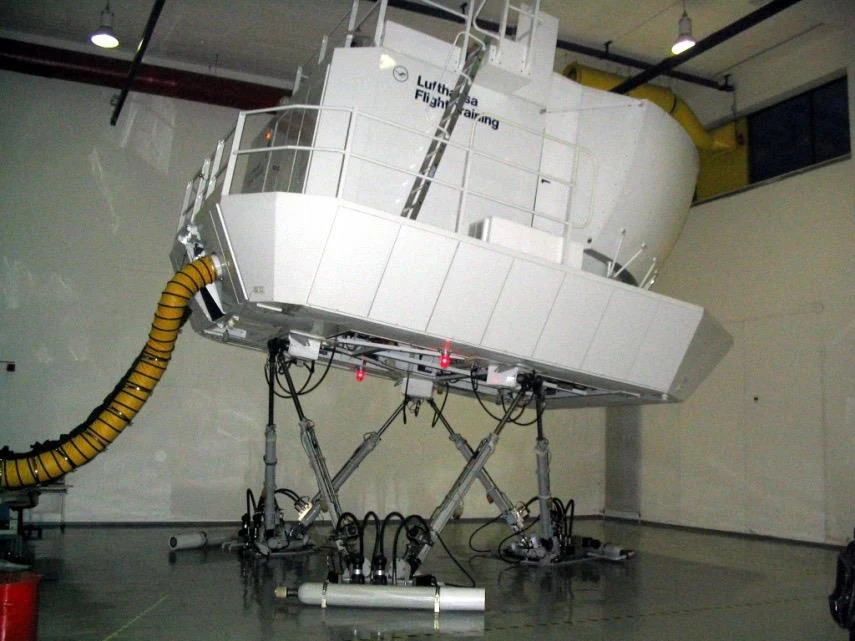
Robotic motion platform: DLR simulator

5 / Building a VR system5.2 Sensory output · Balance

Galvanic vestibular stimulation

5 / Building a VR system5.2 Sensory output · Smell

Olfactory stimulation

Present a smell associated with an object or environment

5 / Building a VR system5.2 Sensory output · Smell

Families of olfactory interfaces

Ambient delivery

A scent is released into the environment

Local delivery

A device is worn or brought close to the nose

5 / Building a VR system5.2 Sensory output · Smell

Olfactory output: aBio

5 / Building a VR system5.2 Sensory output · Taste

Gustatory stimulation

Present tastes or alter the perceived flavour of food

5 / Building a VR system5.2 Sensory output · Taste

Families of taste interfaces

Taste substances

Solutions or gels in contact with the tongue

Electrical modulation

Electrodes or controlled transport of substances

Multisensory approaches

Alter perceived flavour through vision and smell
5 / Building a VR system5.2 Sensory output · Taste

Taste output: Norimaki Synthesizer