Immersion before computers
Organising a view
Occupying the visual field
Directing attention

Total theatre
A designed viewpoint
A surrounding scene
An audience shares a place
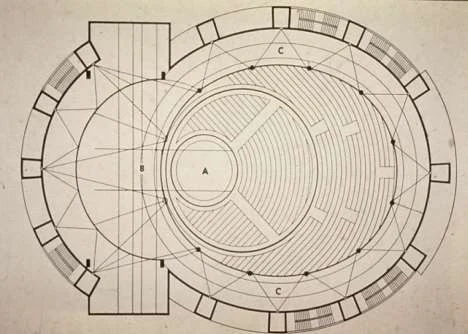
Panoramas
A surrounding painted scene
A controlled observer position
Lighting and foreground disguise the frame
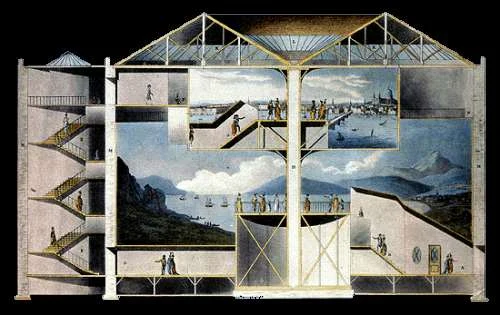
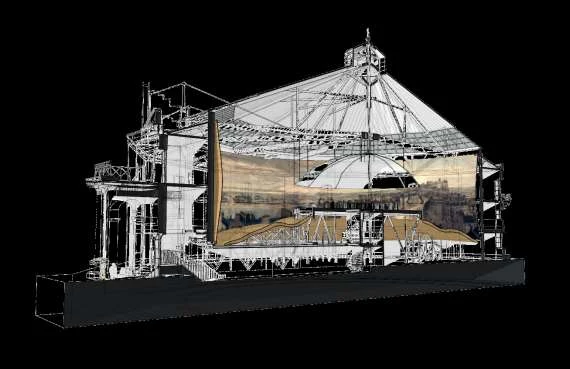
Globes and panoramic buildings
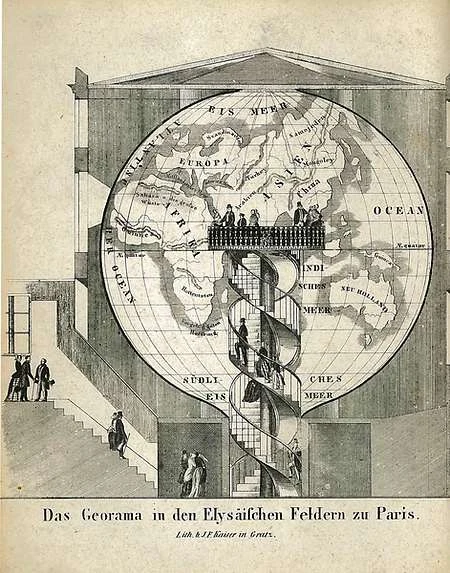
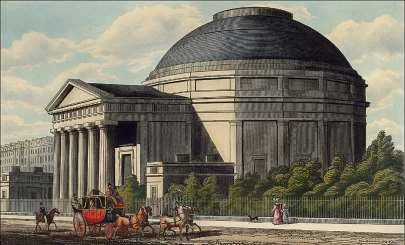
Moving panoramas
A journey without travelling
A ship, carriage or viewing platform
Images combined with motion cues
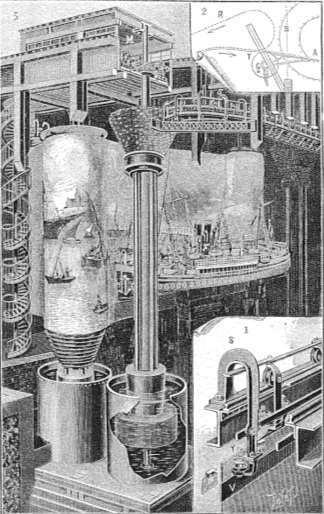
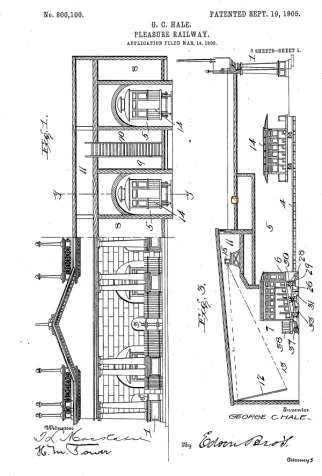
Circular projection
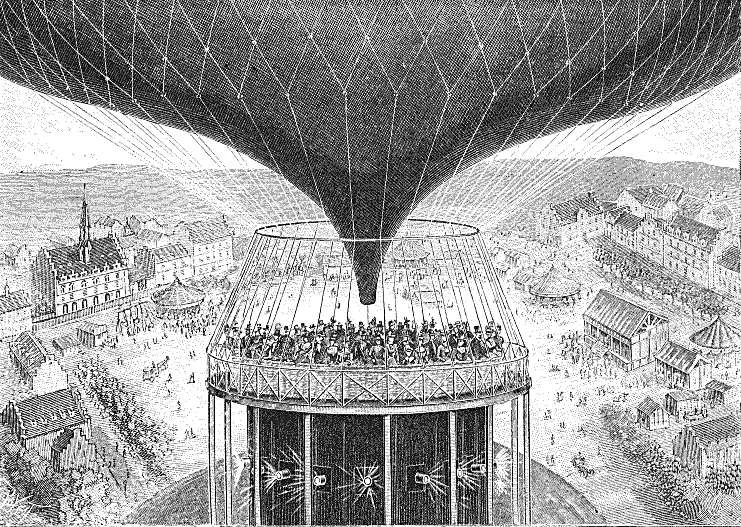
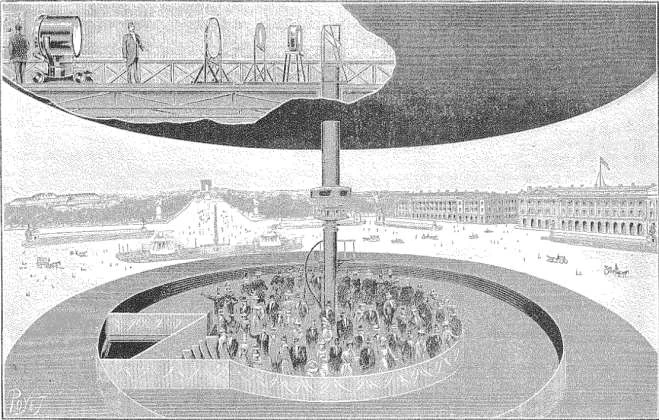
Lanterns, projection and apparent space
A scene appears beyond its carrier
The viewing arrangement shapes the effect
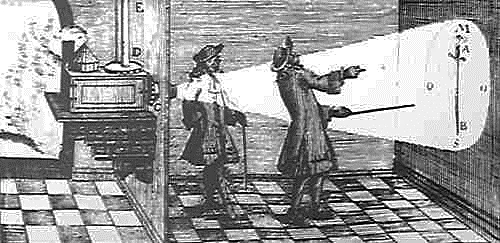
Panorama: image and architecture
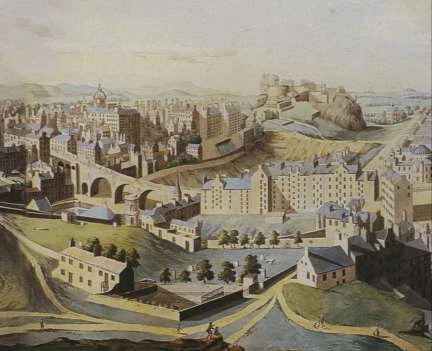
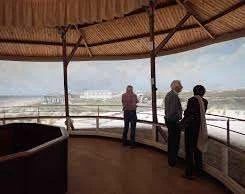
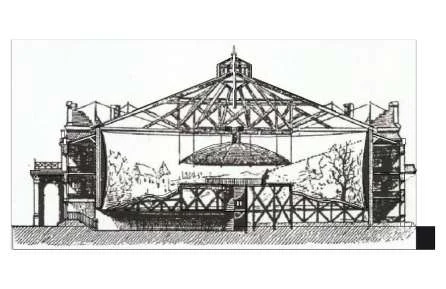
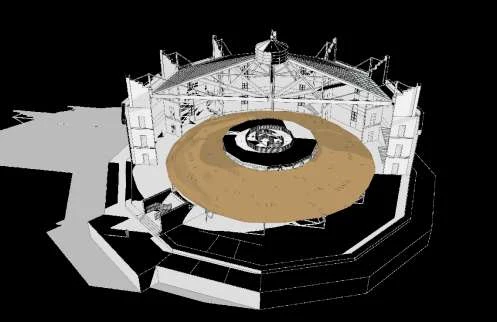
What hides the boundary of the image?
Panoramic journeys at the 1900 exposition
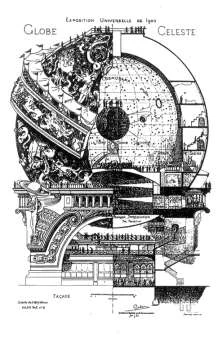
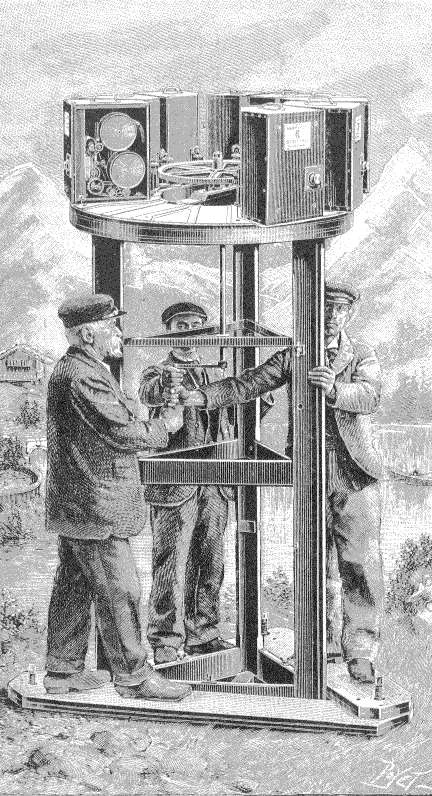
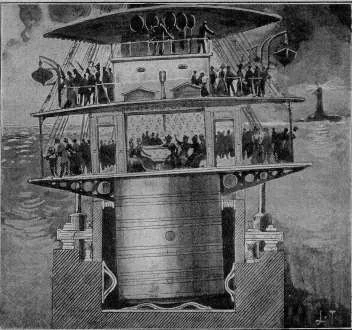
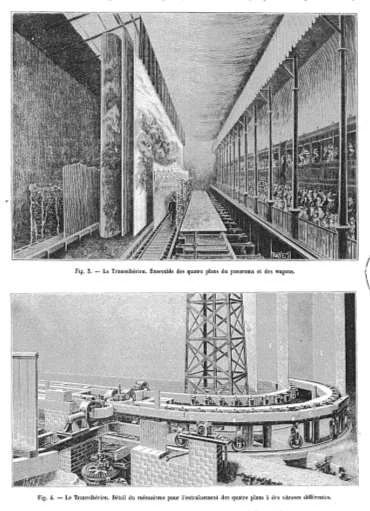
Which elements move: the image, the platform or the audience?
The stereoscope
A separate view for each eye
A cue to depth
Limited response to movement
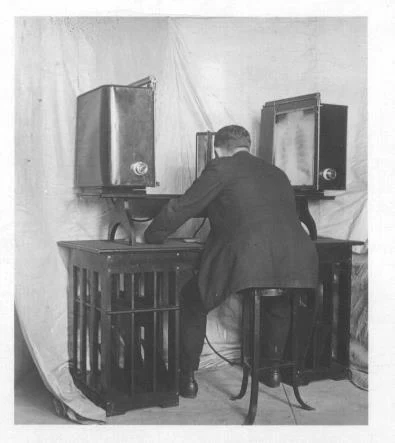
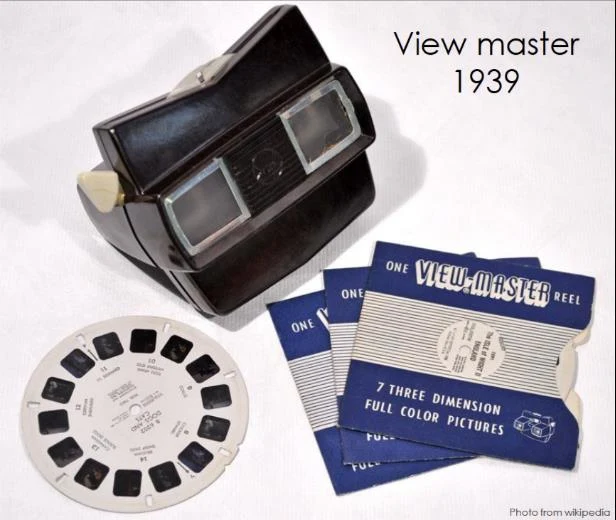
Individual viewing devices
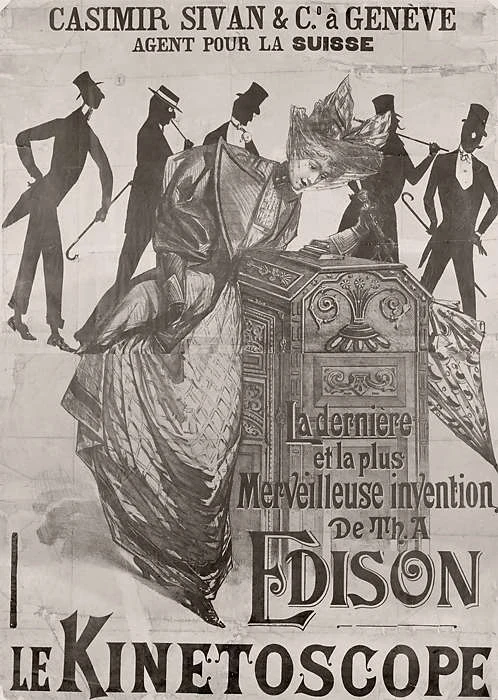
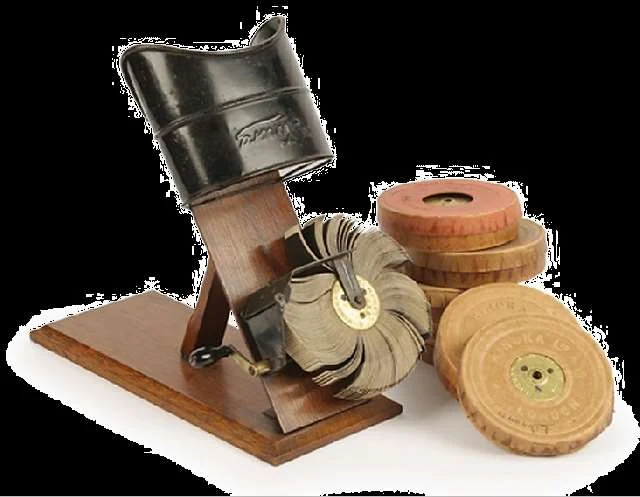
Individual moving-image viewing
Mechanical image sequences
A later personal display arrangement
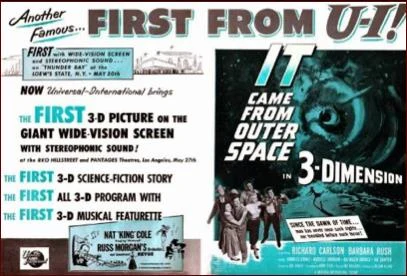
Stereoscopic cinema
Separate channels for the eyes
Filters or active shutters
Shared content and a constrained viewpoint
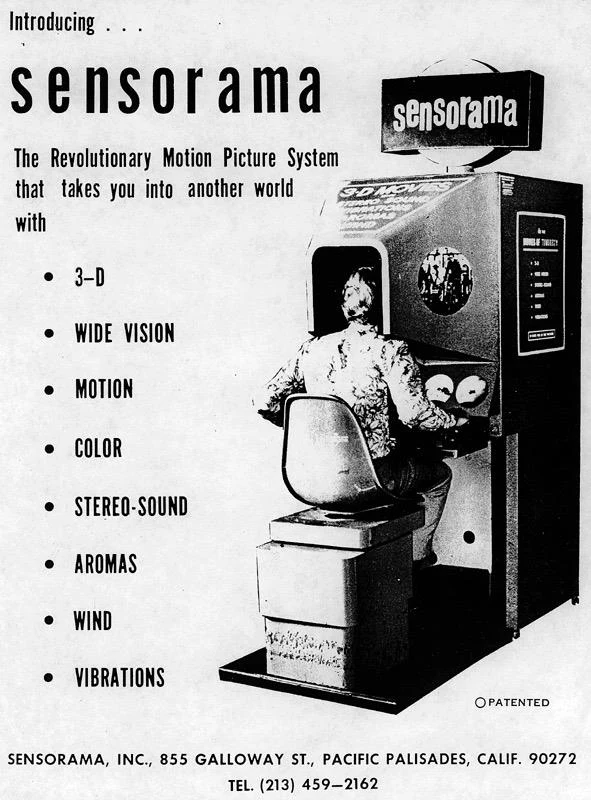
Sensorama
An enveloping recorded experience
Motion, airflow and smell
The recorded events remain fixed
Personal optical media
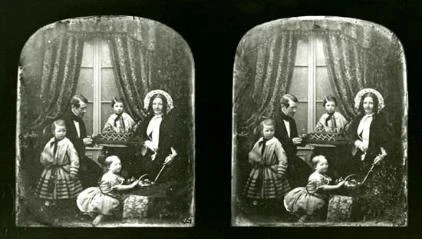
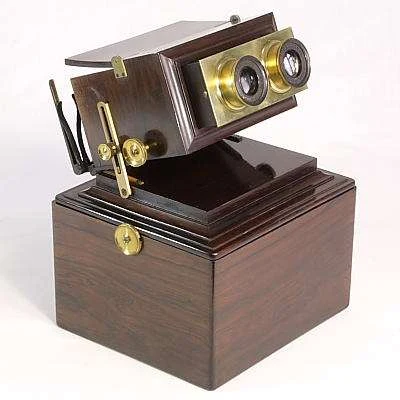
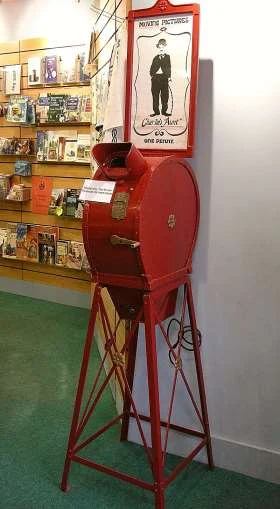
A personal display does not imply an interactive world
Flight simulators
Practise control of a vehicle
Controls and motion
Models, cameras and computer graphics
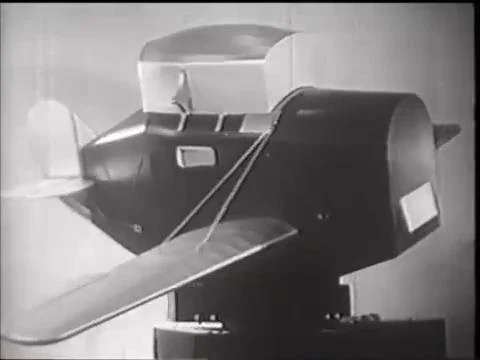
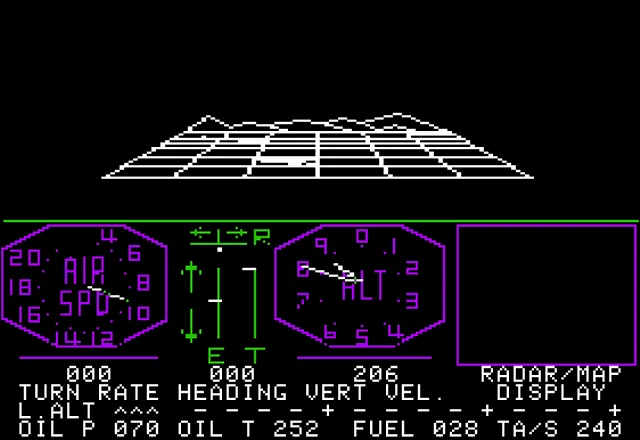
Head tracking and head-mounted displays
The view responds to the head
Images close to the eyes
A simulated scene
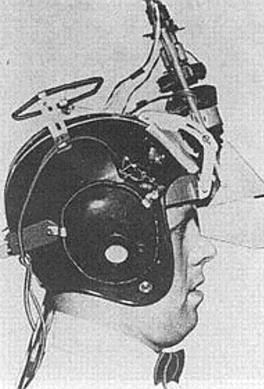
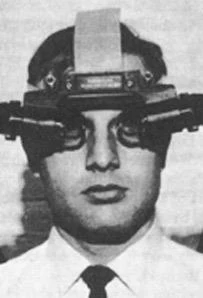
Sutherland’s research vision
Interactive graphical construction
A computational world that responds
Physically impossible virtual behaviour
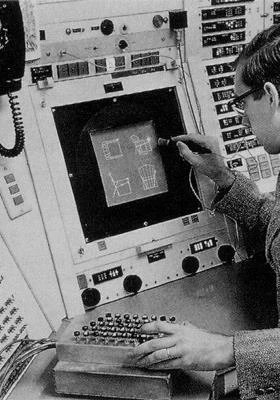
Aerospace and NASA systems
Simulation and augmented displays
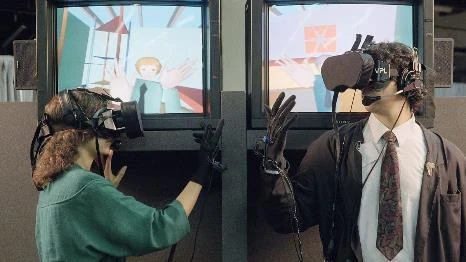
Gloves and head movement
Display, tracking and interaction
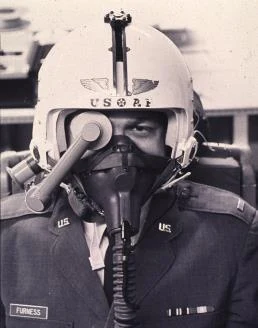
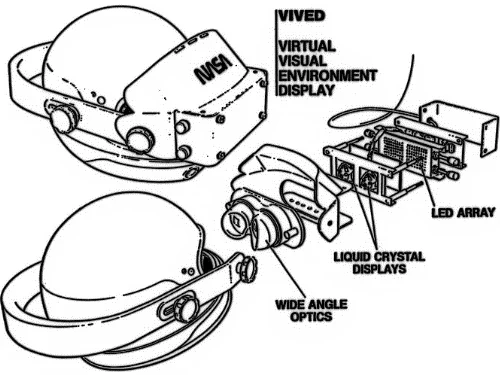
NASA’s virtual-environment research
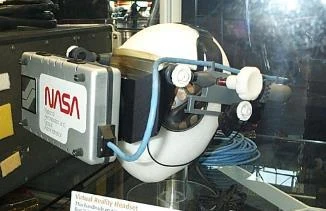
VPL and instrumented interaction
Capture aspects of hand movement
Dedicated hardware and software
“Virtual reality” enters wider circulation
The CAVE
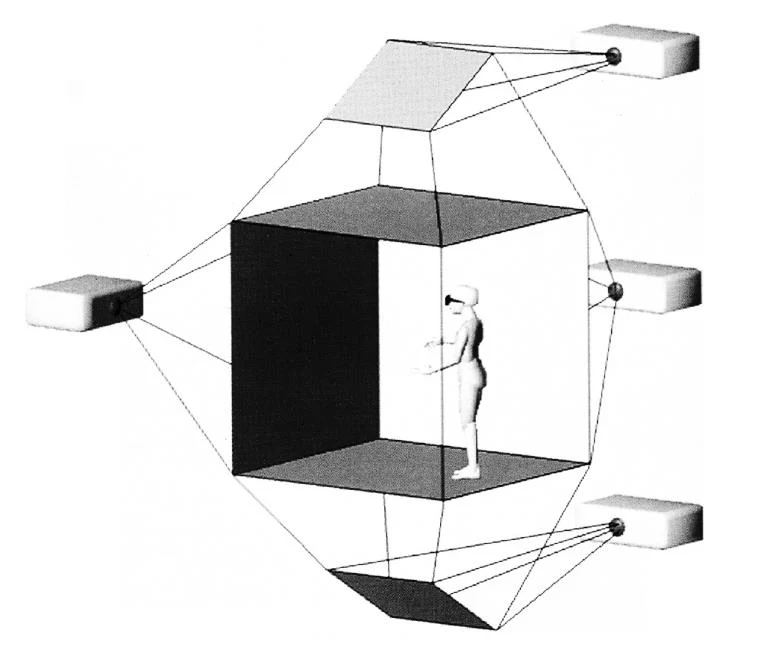
A surrounding visual environment
Images adapt to the observer
A different relation to the room
Haptic and auditory research
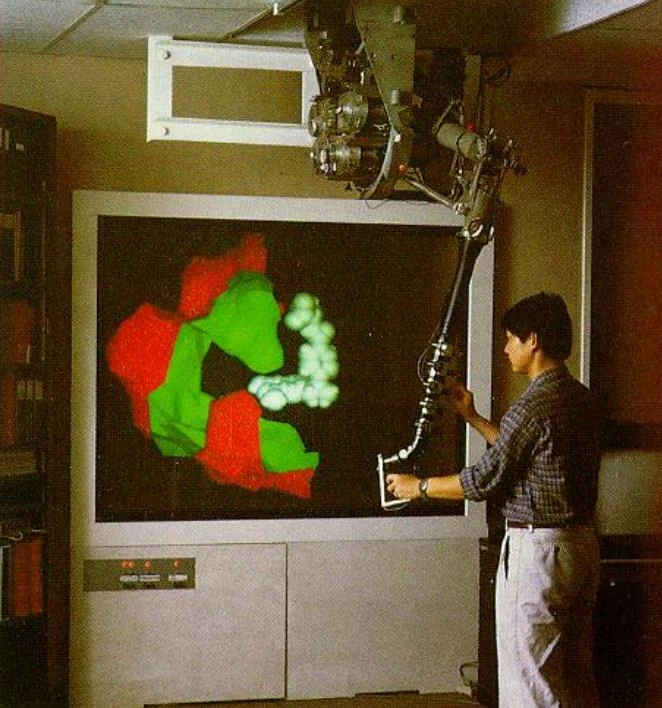
Force feedback for molecular interaction
Sound sources tied to the virtual world
Early consumer systems
Dedicated experiences and installations
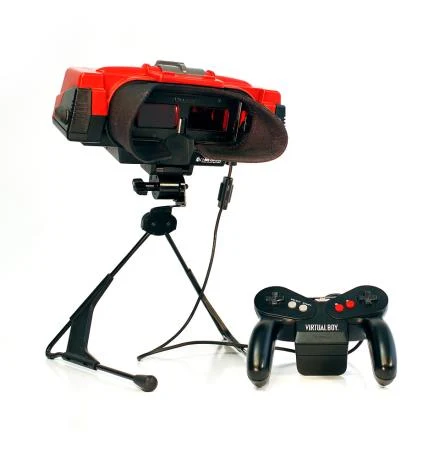
Games and experimental peripherals
Cost, tracking, content and comfort
Early commercial hardware
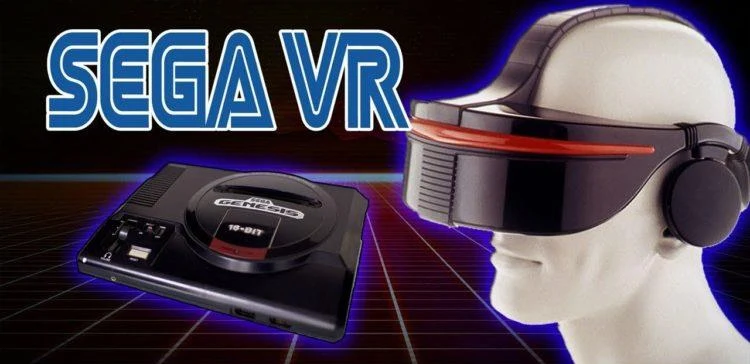
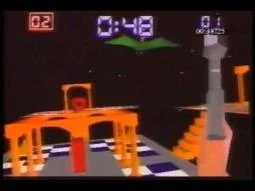
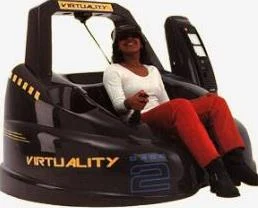
Different products exposed different parts of the action–perception loop
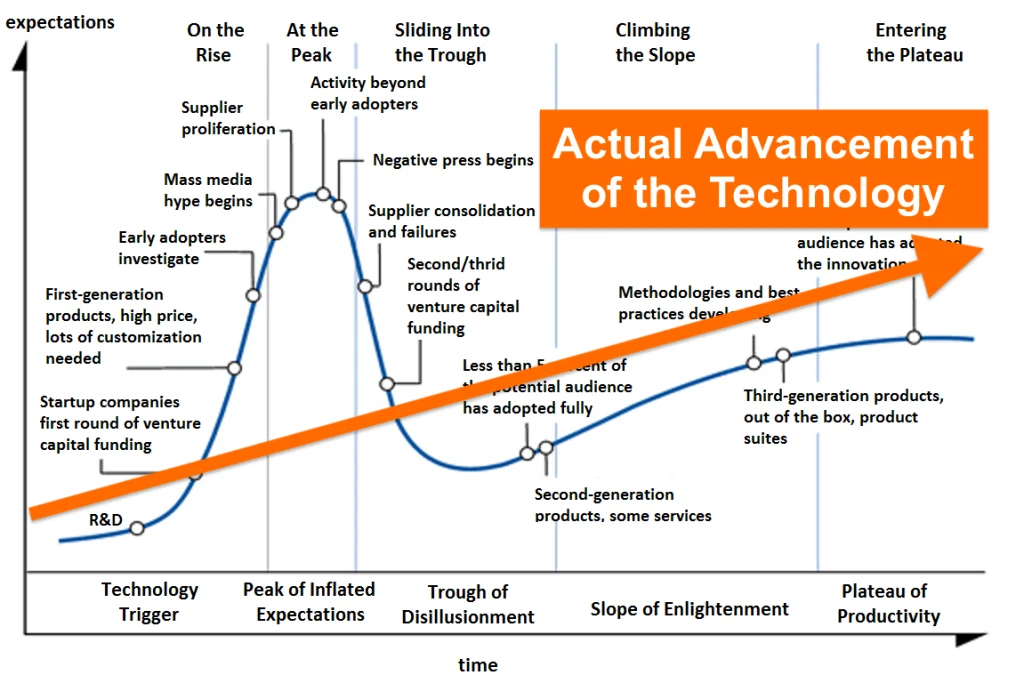
Expectations and adoption
What a system might enable
What users can actually do
Value in a particular context
The 2010s consumer wave
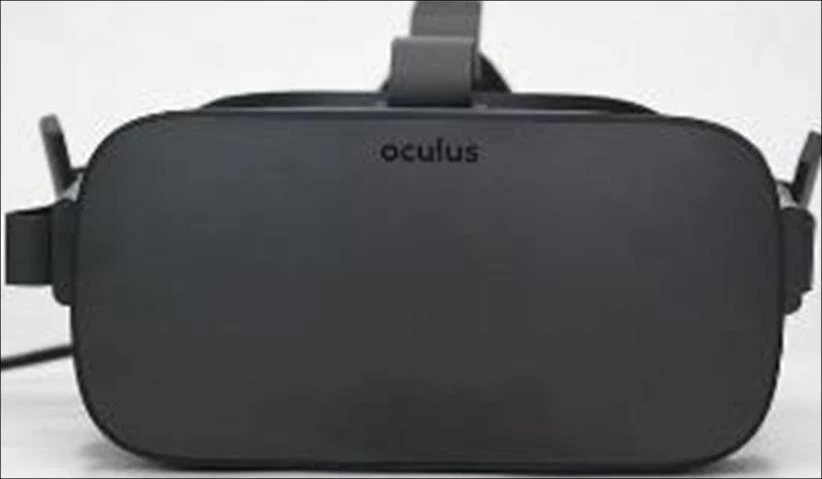
Consumer headset development
Room-scale head and hand movement
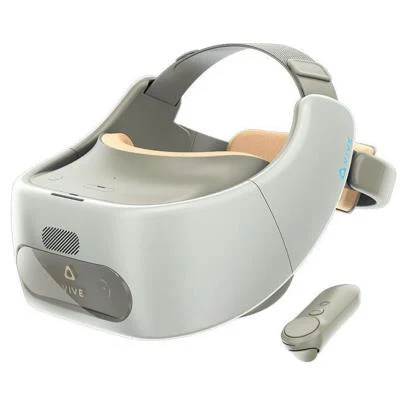
Different computing arrangements
Shared immersive architecture
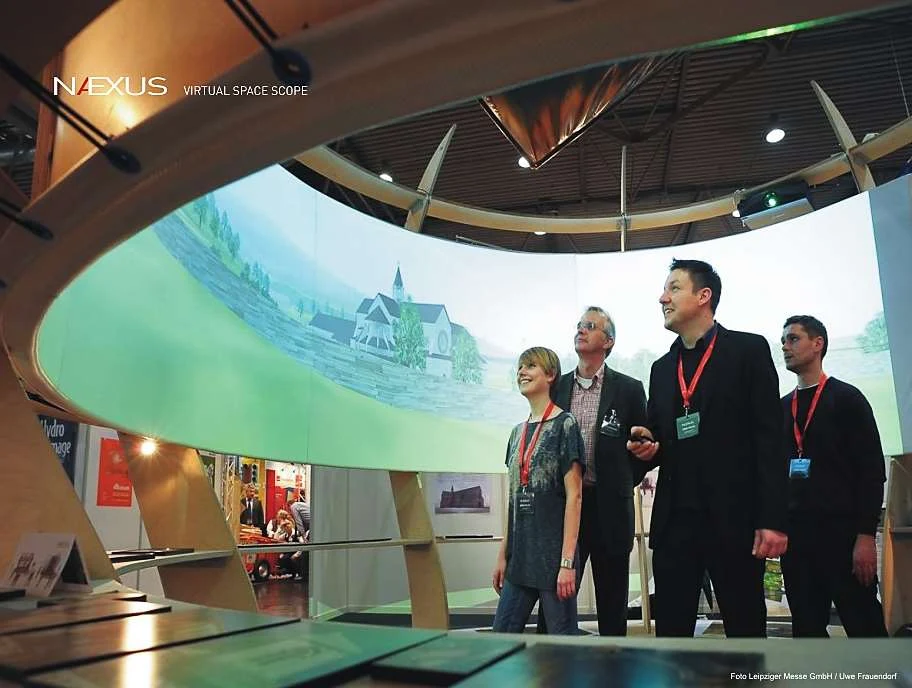
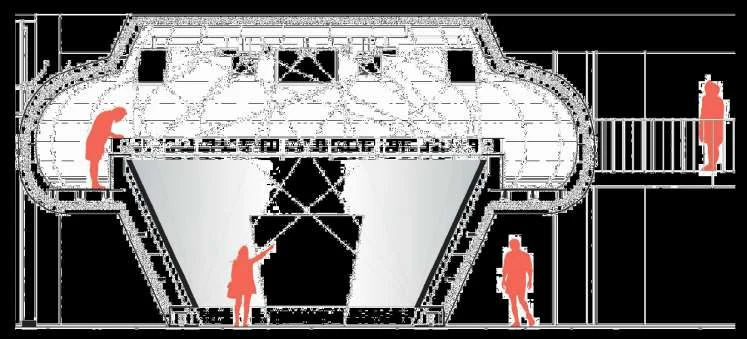
A large panoramic installation
A collective immersive space
Who shares the viewpoint and the room?
Fiction and expectations
The boundary as a narrative device
Another body or social role
The physical setting remains relevant

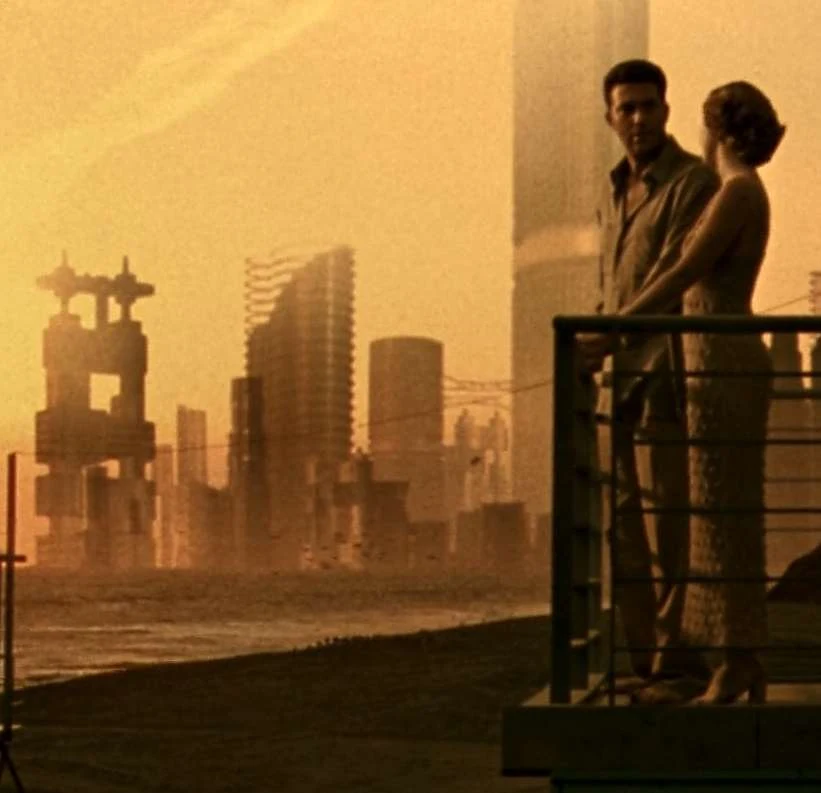
Consumer VR: computing and tracking arrangements
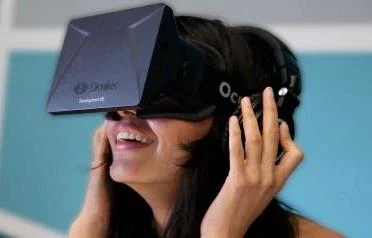
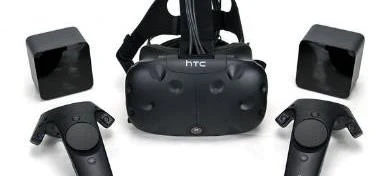
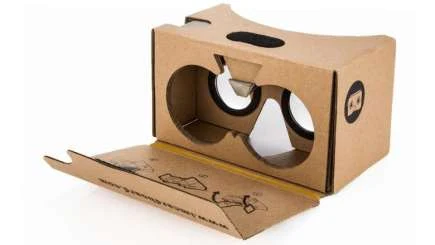
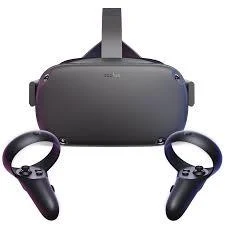
Display, tracking and computation are separate design choices