Model, simulation and digital twin
ModelDescribe shapes and positions
SimulationCompute behaviour within a scenario
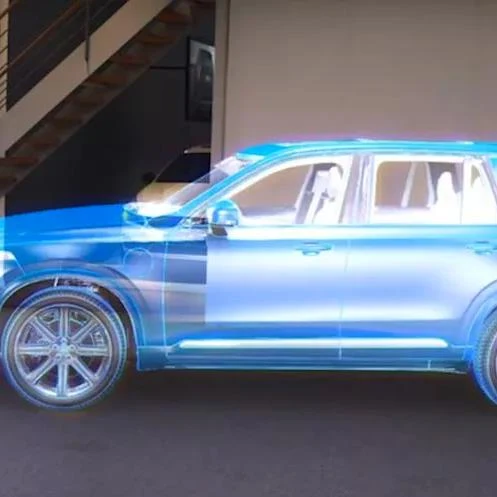
Digital twinConnect the model to physical-system data
Which data are updated, from where and how often?
Design: from geometry to a decision
Target decisionAccess, assembly, circulation or data interpretation
Useful fidelityPreserve constraints needed for the decision
Lufthansa: VR in recurrent crew training
An existing workflowPart of annual cabin-crew training
A repeated taskSearch a virtual aircraft cabin
An operational constraintAccess without occupying a real aircraft
Routine use answers “is it used?”; transfer testing answers “does it work?”
How is transfer assessed?
Test outside the simulatorDoes the procedure or movement succeed on the target task?
Relevant comparisonAgainst which training and for which learners?
The intended outcome determines the measurement.
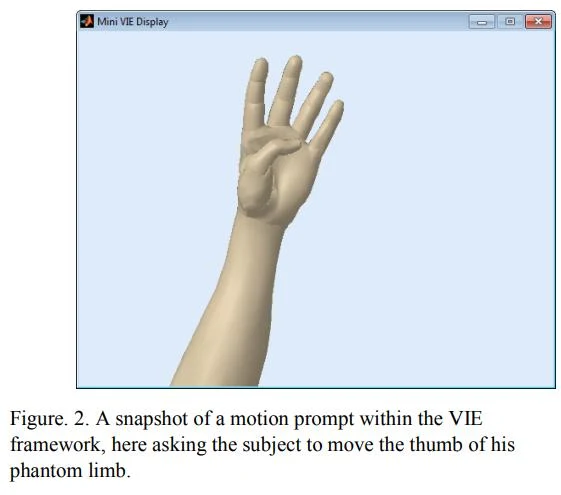
What feedback accompanies movement?
ActionPerform a movement during the exercise
Visible feedbackCompare performed and intended movement
MeasurementRelate records to a functional objective
Movement tracking and care follow-up answer different questions.
RelieVRx: a defined clinical indication
Who?Adults with chronic lower back pain
What?Prescription, home-based adjunctive treatment
How?Immersive behavioural skills and exercises
A clinical claim belongs to an intervention, population and outcome.
Healthcare: from mechanism to clinical use
MechanismAttention, graded exposure or feedback
EvaluationDefined population, comparison and outcome
Care pathwayIndication, supervision and follow-up
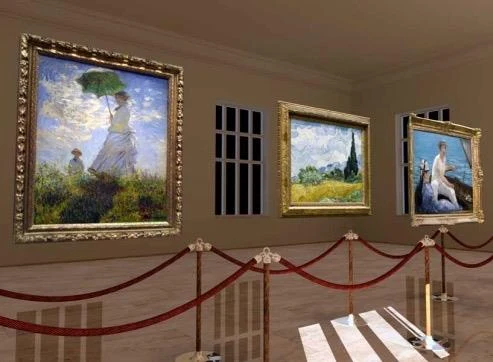
Culture: design the visitor journey
ContentWhat is explored or understood?
ParticipationWhat can a visitor actually do?
OperationGuidance, accessibility and visitor flow
How can other people be made present?
Voice and gestureIdentify who is speaking and acting
Space and objectsUnderstand what is shared
AvatarExpress identity and intention
Place rulesOrganise access and coexistence
VRChat: continuity of social practices
Investigation discussed in class · Privateer, Peillard and Loetscher, 2025
ActivitiesExtend an artistic or social practice
Places and identitiesChoose a setting and representation
Research questionHow do these practices connect in everyday life?
Examples reported in class; distinguish the inquiry’s scope from all users’ practices.
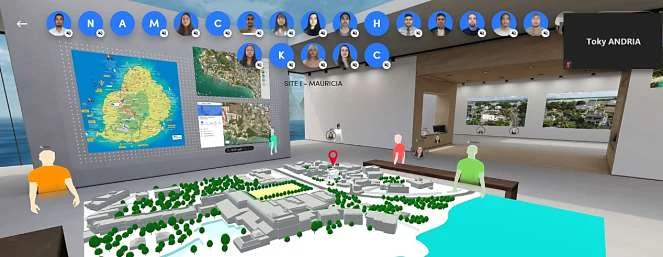
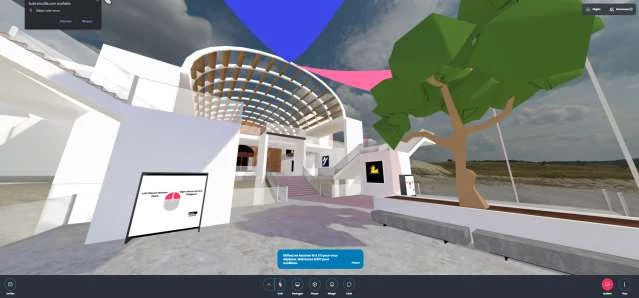
Social VR: which activity, with whom?
SituationWho meets, and for which activity?
Contribution to examineWhat do shared space and avatars enable?
A building model: why choose VR?
Discussion case: you have a 3D model of a building.
ActivityWhich task and which people?
Expected contributionWhat does immersive exploration enable?
LimitWhich information or constraint is missing?
ComparisonHow would you assess it against another solution?
From applications to system design
Start with the activityUsers, setting and intended outcome
Specify the interactionCues, actions and shared state
Select the evidenceBaseline, measurement and deployment context
Resources for exploring each family
Additional demonstrationsConsult an example for the question being studied
ResearchObserve, coordinate and explore new interfaces
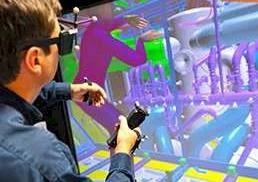
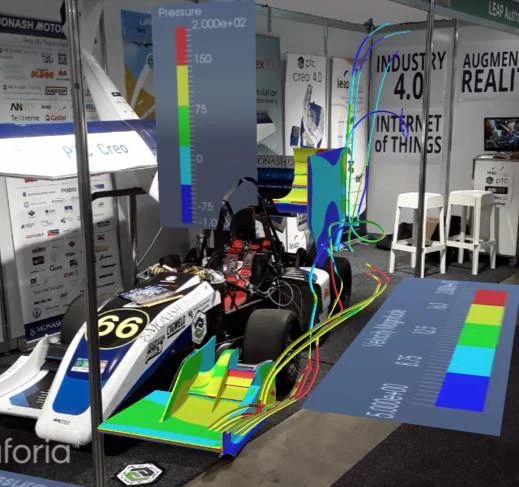
Industrial design demonstration
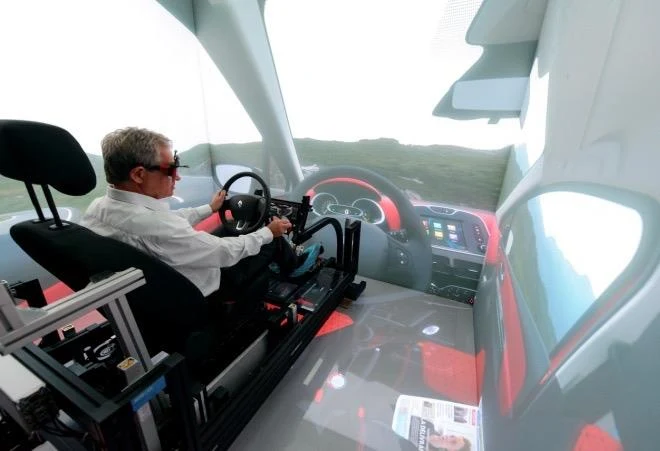
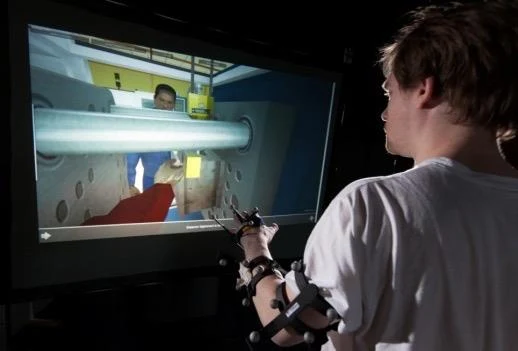
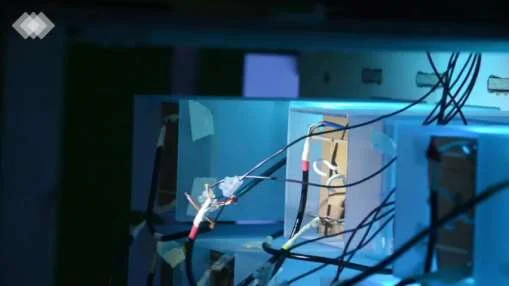
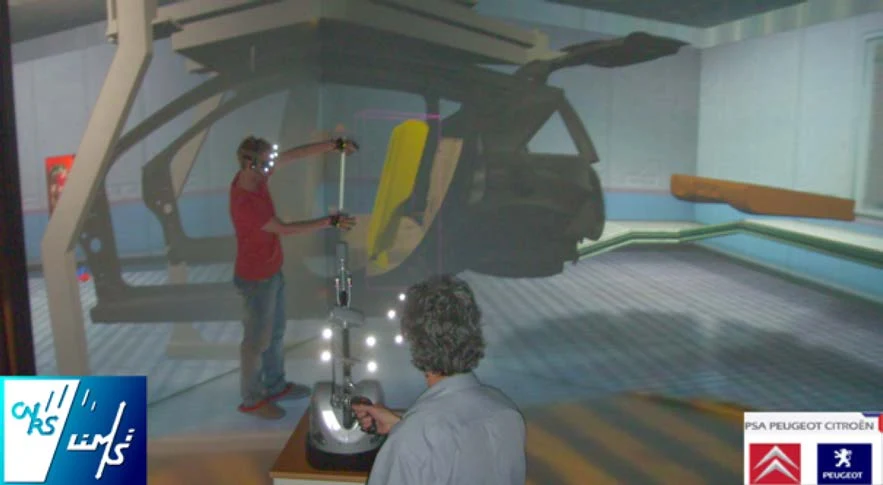
What is physically touched? What is simulated?
A physical support can complement a virtual model.
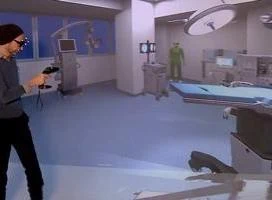
Training contexts
What is practised, and how would learning be assessed?
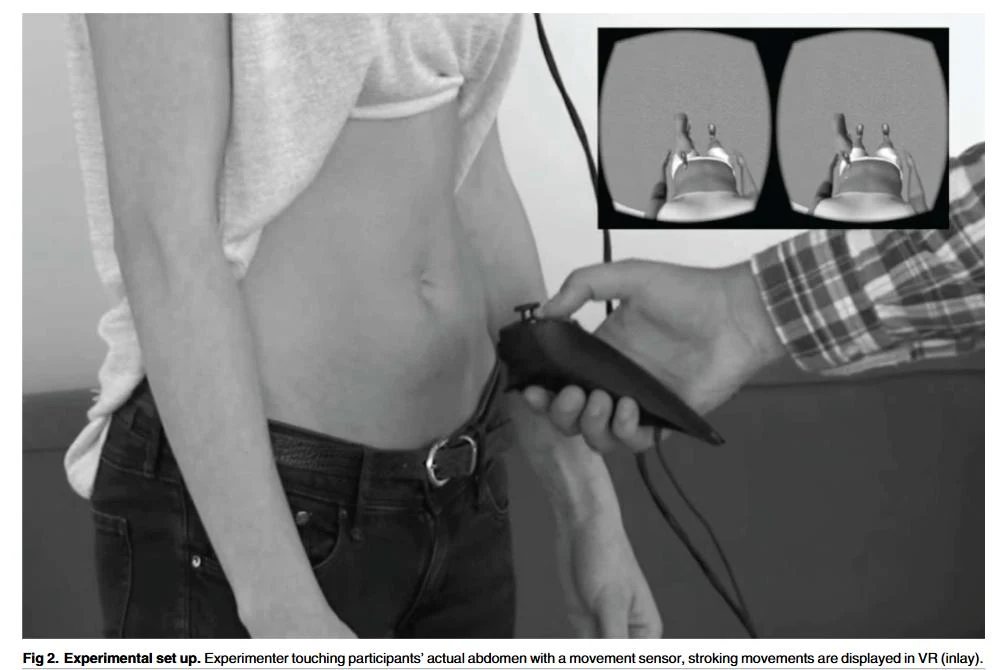
How can body perception be studied?
ManipulationChange a virtual-body property
ObservationMeasure a defined perceptual response
Three research lenses
Observe peopleControl worlds and measure responses
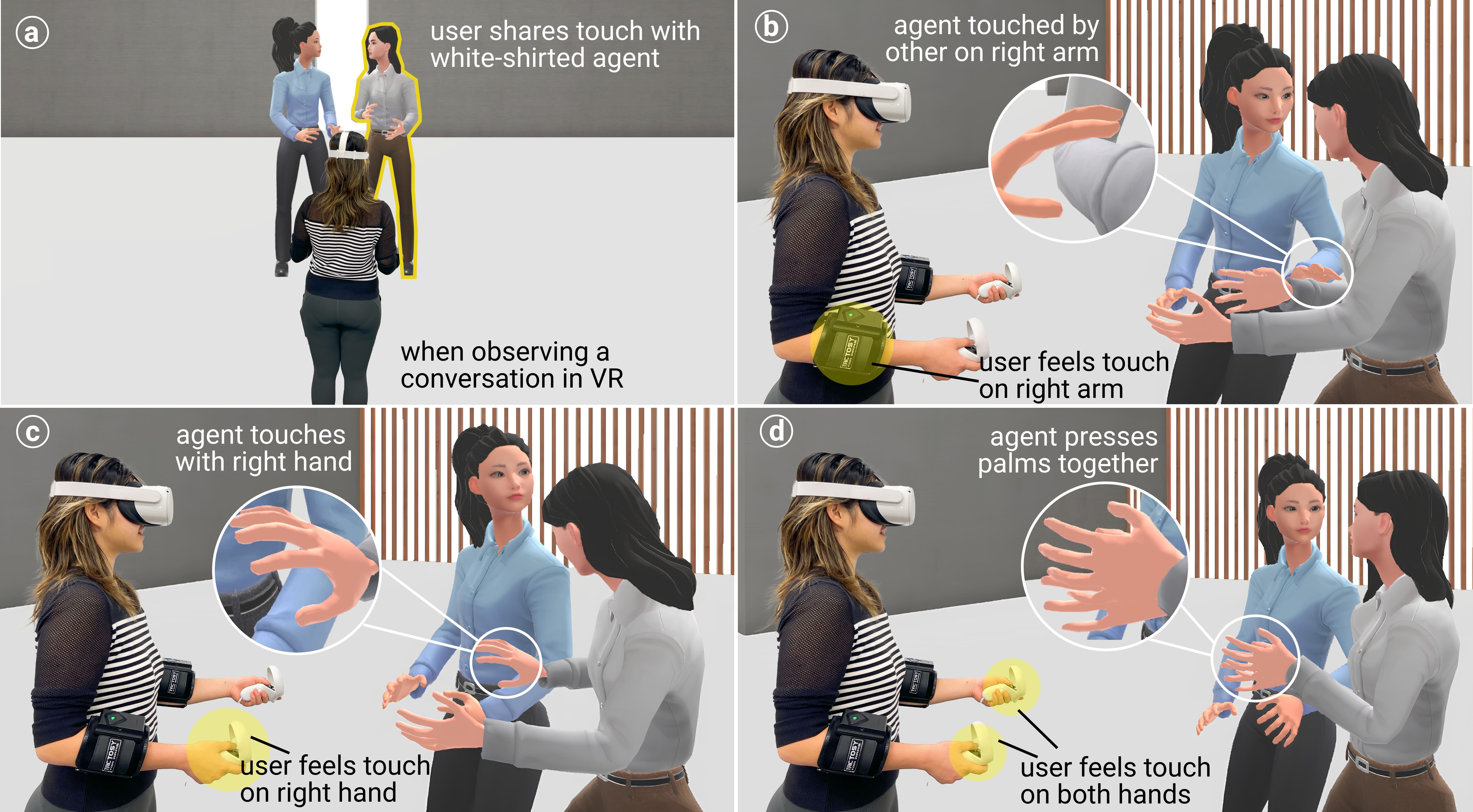
Coordinate peopleStudy shared space and remote action
Reconfigure interactionExplore tangible and multisensory interfaces
Research lens: coordinate shared action
RepresentationHow are people and actions made visible?
Shared spaceWhich viewpoints and objects are common?
CoordinationHow do people divide and combine control?
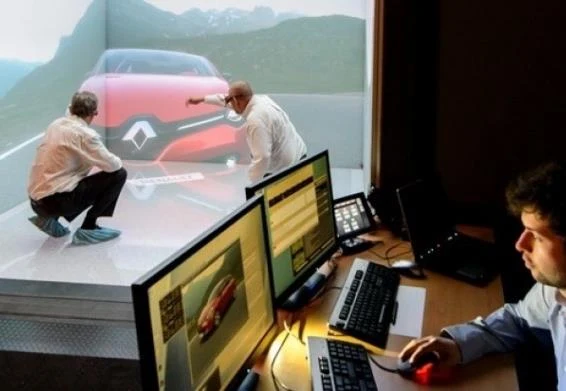
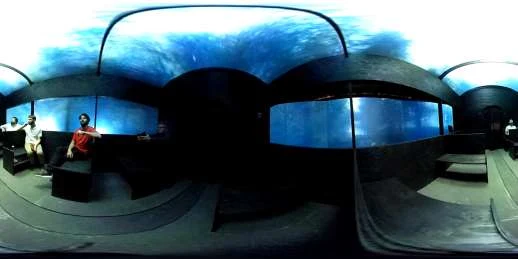
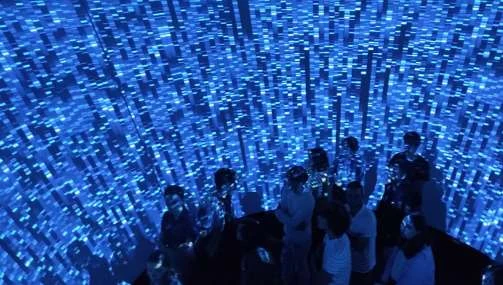
Sharing a projection room
ViewpointSeveral independently moving observers
DisplaySeparate view channels where supported
CoordinationPhysical and virtual workspace
Co-located object manipulation
Physical supportA shared tangible relation
Virtual actionA common object or activity
CoordinationWho controls each part?
Physical co-presence and virtual activity
Physical spaceParticipants occupy a common room
Virtual contextThe displayed activities may differ
InteractionBodies can become part of another person’s constraints
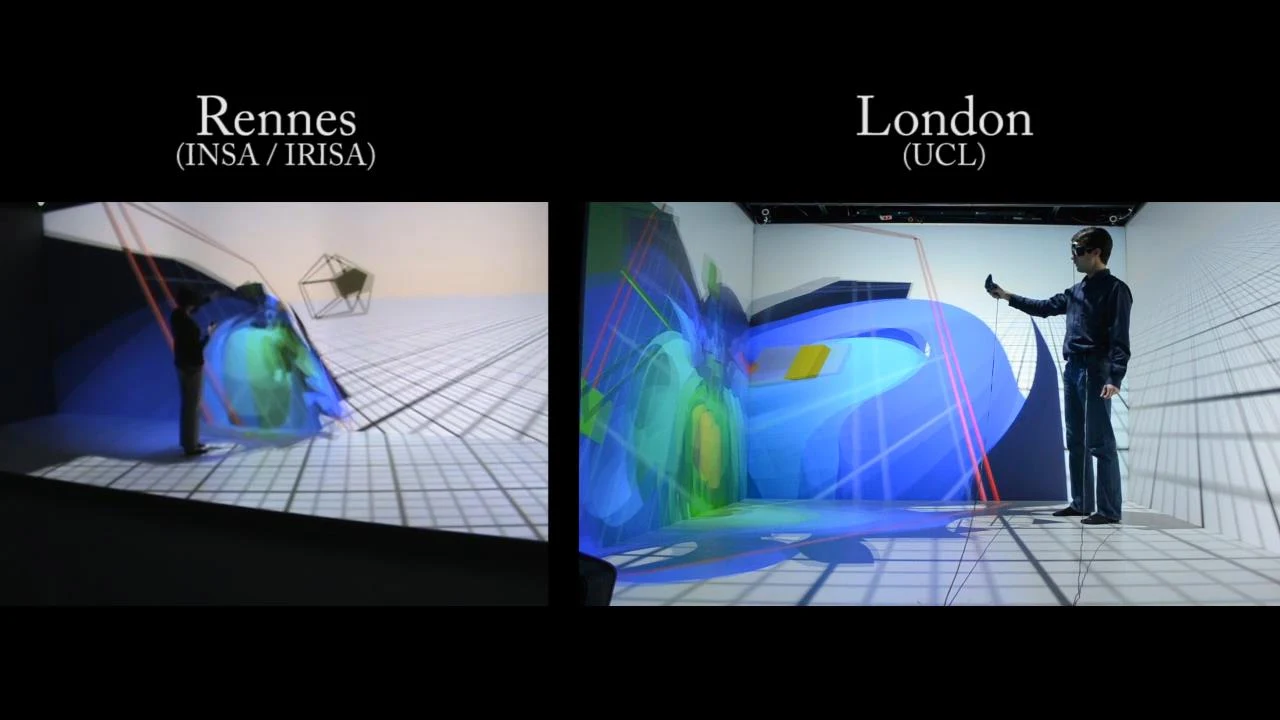
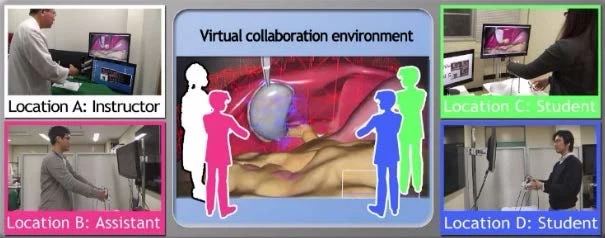
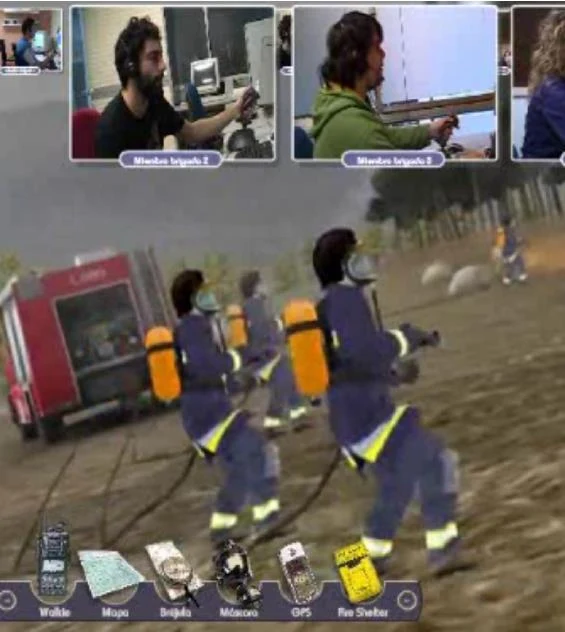
Remote collaboration and group telepresence
Shared stateObjects, tools and participant actions
RepresentationSimplified avatars or captured people
Group activityCoordination across sites
Research lens: reconfigure the interface
Physical objectsArrange and manipulate information
The bodyMove around a shared workspace
ComputationMake relationships visible and executable
Dynamicland: shared physical computation
Physical objectsManipulable parts of an activity
ProjectionDigital information in the workspace
CollaborationPeople work around a shared setting
Computing with objects and the body
ArrangeObjects become part of a computation
Move and compareThe body participates in the activity
Dynamicland: example 1
Dynamicland: example 2
Dynamicland: example 3


Which activities do people share in VR?
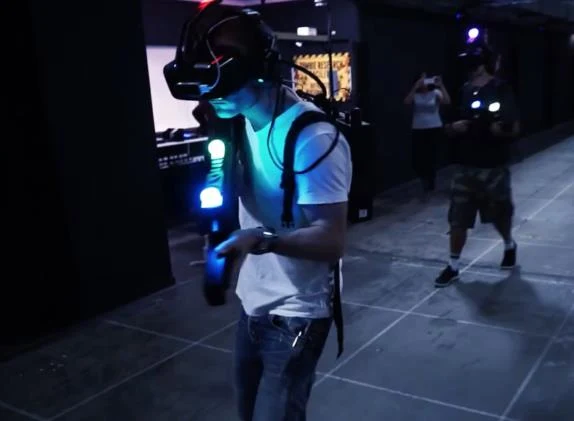
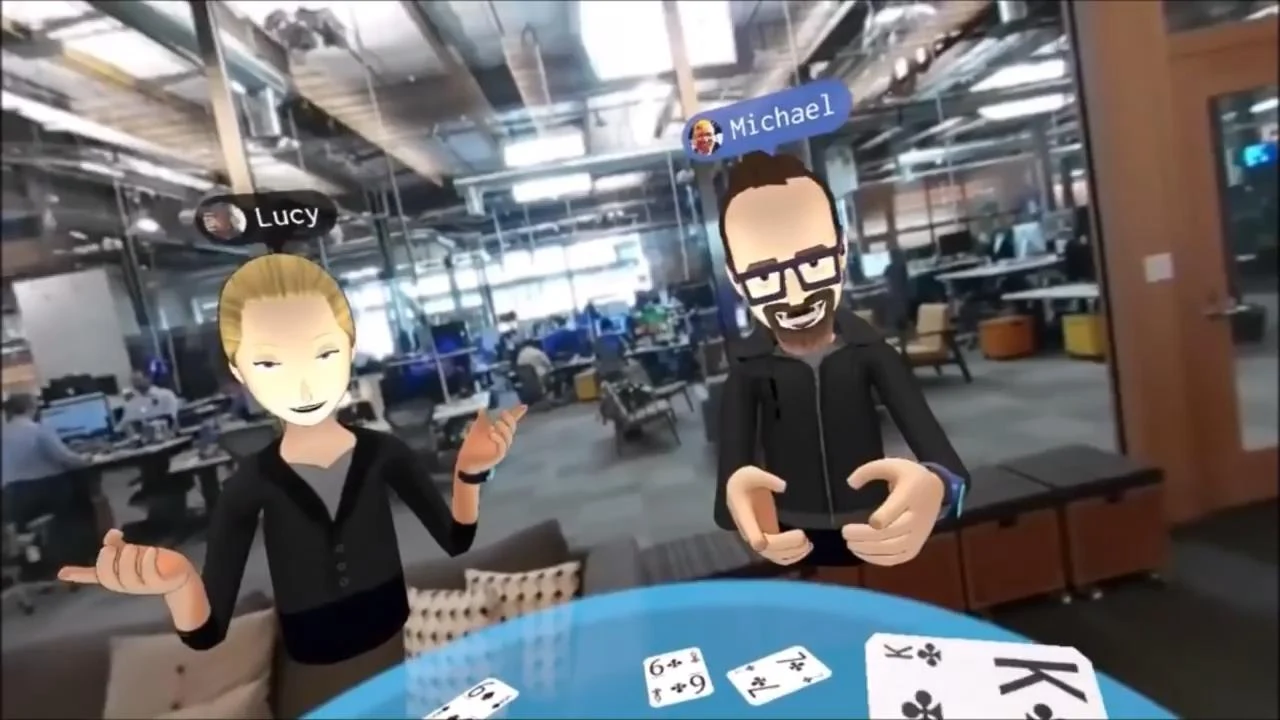
Converse in a shared virtual place
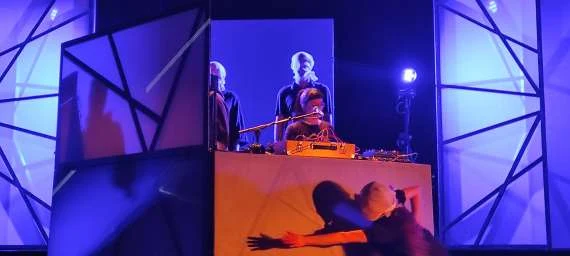
Play, learn or join a performance
Act through an avatar and its gestures
The shared activity gives social VR its purpose.