Trust in Autonomous Vehicles through AR Visualization
Making AI decision-making legible to passengers in autonomous vehicles
International doctoral research · 2022–2026
A Franco-Australian joint doctorate between IMT Atlantique and the University of South Australia, conducted within the CNRS International Research Laboratory CROSSING.
 International doctoral collaborationIMT Atlantique × University of South AustraliaA joint doctoral programme conducted within CNRS IRL CROSSING.
At a glance
Autonomous vehicles must sometimes hand control back to their human occupants. In those moments, passengers need to understand not only what the vehicle is doing, but also why it is doing it and what may happen next. When the vehicle’s reasoning remains opaque, uncertainty can undermine both situational awareness and trust.
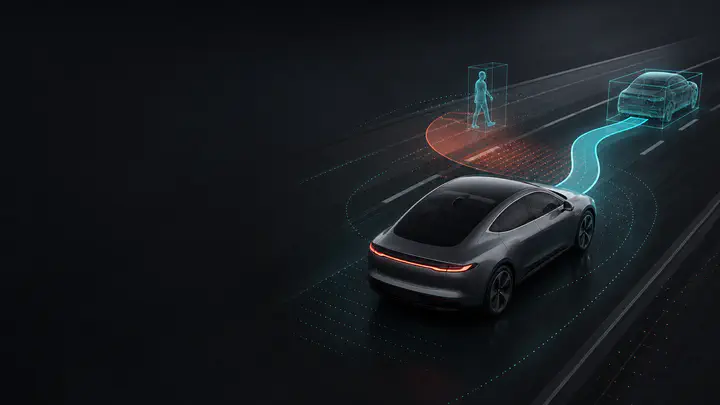
Thi Thanh Hoa Tran’s doctoral research explored how situated Augmented Reality (AR) visualizations can expose the decision-making context of an autonomous vehicle. Instead of presenting AI information on a separate dashboard, the work investigated visual cues embedded in the passenger’s view of the road: cues that make relevant traffic elements, possible hazards, and the vehicle’s anticipated actions easier to understand.
Making AI decisions visible
The thesis, Improving Autonomous Vehicle Drivers’ Confidence through Augmented Reality Visualization of Artificial Intelligence Decision-Making Context, examined AR as an interface between an autonomous vehicle and its passengers. Its central question was: which information should be shown, in what form, and at what moment, to support appropriate trust in vehicle automation?
The work considered level-4 and level-5 autonomous-driving scenarios, where passengers may have limited awareness of the driving situation yet still need to interpret the vehicle’s behaviour in critical moments. Across its studies, the research evaluated the effects of AR information on trust, technology acceptance, situational awareness, safety-related perceptions, and user experience.
Research contributions
The doctoral work developed three complementary approaches to communicating an autonomous vehicle’s decision-making context through AR.
1. Selecting and transforming information
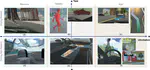
The first contribution examined whether driving-related and non-driving-related information should be added, removed, or modified to support passengers’ trust. Six AR visualization strategies were evaluated to understand how the amount and treatment of information affect trust, technology acceptance, and situational awareness.
Publication
Tran, T. T. H., Peillard, E., Walsh, J., Moreau, G., & Thomas, B. H. (2025). Impact of Adding, Removing and Modifying Driving and Non-Driving Related Information on Trust in Autonomous Vehicles. 2025 IEEE Conference on Virtual Reality and 3D User Interfaces Abstracts and Workshops (VRW), pp. 1262–1263. PDF · Poster presentation
2. Virtual-character actions and emotional expressions
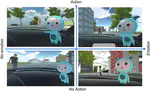
The second contribution investigated whether a virtual character can help passengers interpret an autonomous-driving situation. It studied how a character’s actions and emotional expressions influence trust and related perceptions during the journey.
Publication
Tran, T. T. H., Peillard, E., Walsh, J., Moreau, G., & Thomas, B. H. (2026). The influence of virtual character actions and emotional expressions on trust in autonomous vehicles. Virtual Reality, 30, Article 77.
3. Highlighting and predicting hazards
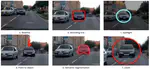
The third contribution evaluated contextual visualizations that draw attention to relevant road users and communicate predicted trajectories or time-to-contact information. The goal was to help passengers understand potential hazards and the vehicle’s response to them.
Publication
Tran, T. T. H., Peillard, E., Walsh, J., Moreau, G., & Thomas, B. H. (2025). Trust and Safety in Autonomous Vehicles: Evaluating Contextual Visualizations for Highlighting, Prediction, and Anchoring. ICAT-EGVE 2025: International Conference on Artificial Reality and Telexistence and Eurographics Symposium on Virtual Environments, The Eurographics Association.
Related student contribution
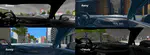
During Taha Lamine’s CROSSING internship (February–August 2024), a related study examined AR weather customization. It investigated whether giving passengers agency to customize simulated rain, snow, sun, and clouds affects trust, acceptance, and their experience in an autonomous vehicle.
Lamine, T., Tran, T. T. H., Hirchoua, B., Peillard, E., & Walsh, J. (2025). Examining the impact of AR Weather Customization on Trust in Autonomous Vehicles. 2025 IEEE International Symposium on Mixed and Augmented Reality Adjunct (ISMAR-Adjunct), pp. 583–589.
Project team
The thesis was jointly supervised across France and Australia. Hoa Tran’s doctoral research formed the project’s central scientific thread.
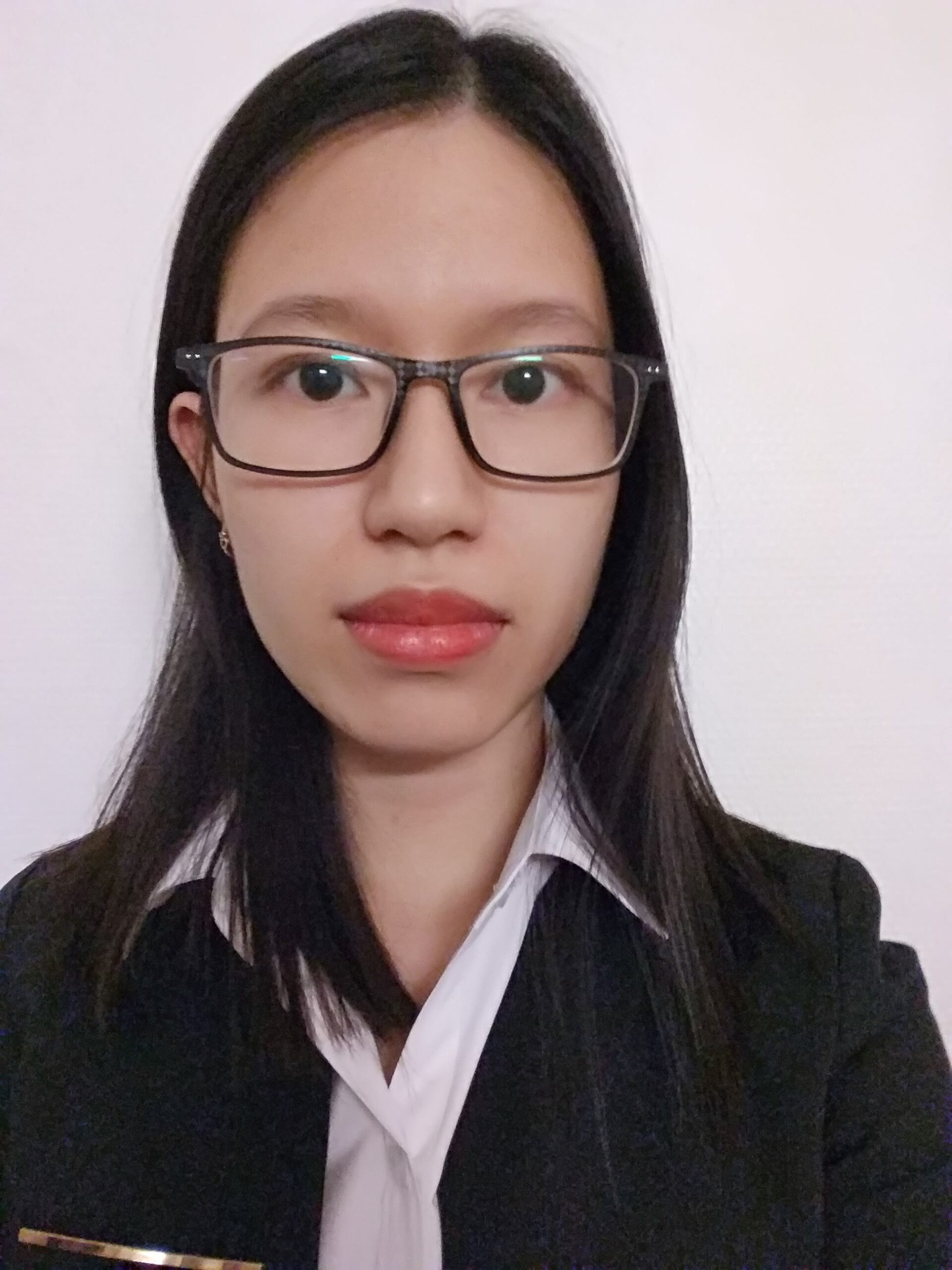
Thi Thanh Hoa Tran
Hoa’s research investigated how AR visualizations of AI decision-making can improve passengers’ situational awareness and trust in autonomous vehicles.
Improving Autonomous Vehicle Drivers’ Confidence through Augmented Reality Visualization of Artificial Intelligence Decision-Making Context
Thesis defended on 16 February 2026, 9:00–11:00, at IMT Atlantique’s Brest campus (B1-008) · Read the official thesis record and manuscript





Student contribution

Taha Lamine
Studied the effects of customizable AR-simulated weather conditions on passenger trust and acceptance in autonomous vehicles.
Research environment
This Franco-Australian collaboration was conducted within the CNRS International Research Laboratory CROSSING, which connects research on interaction and Human / Autonomous Agents Teaming. All members of the supervisory team contributed through CROSSING; the project brought together IMT Atlantique and the Lab-STICC INUIT team with Adelaide University’s Australian Research Centre for Interactive and Virtual Environments.
Publications